
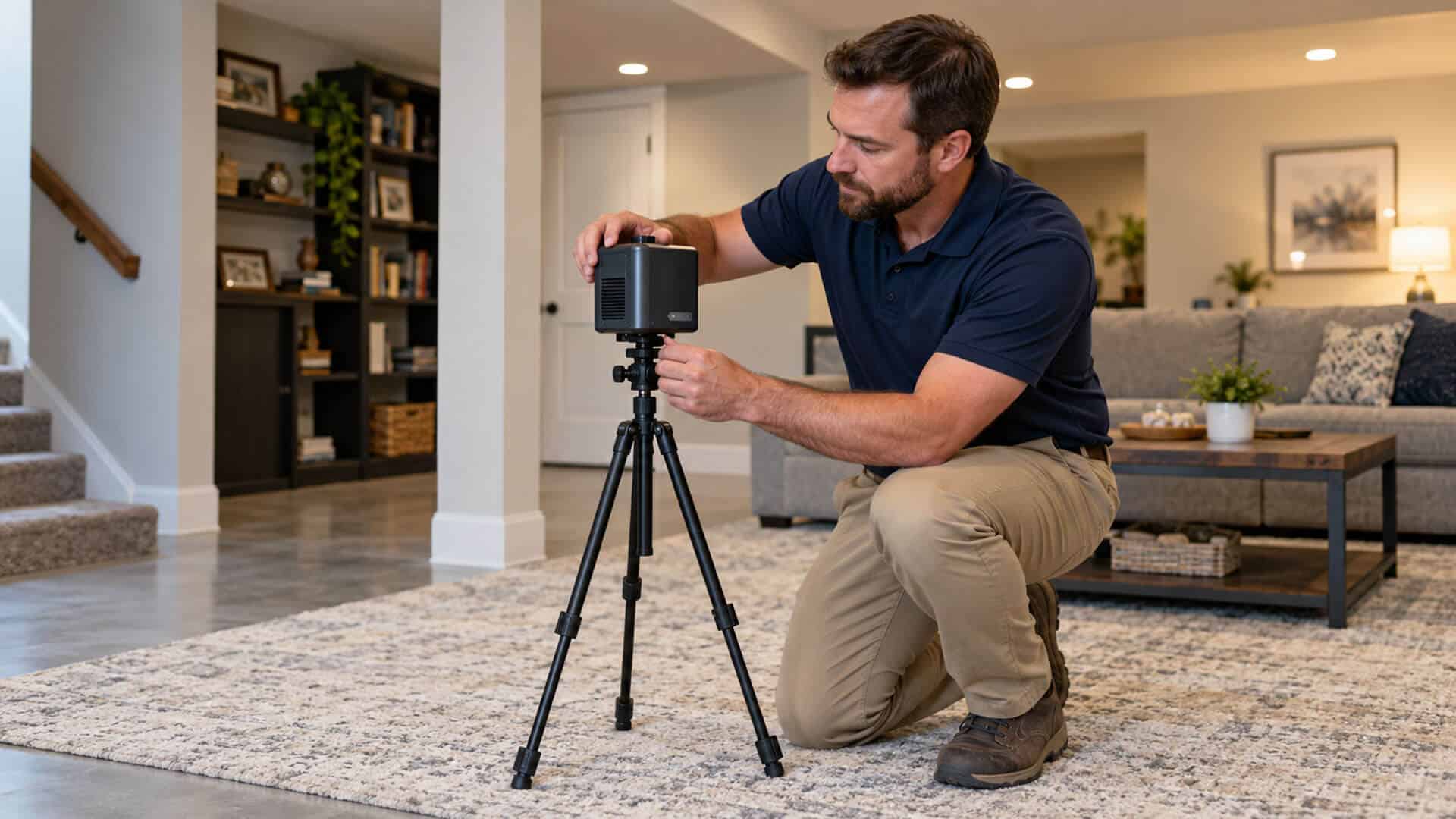
Radon is invisible, odorless, and easy to miss. A professional radon testing service gives homeowners, buyers, sellers, and property pros clearer results, better records, and simple next steps. This guide shows when professional radon testing is worth it, what qualified providers use, and how to compare radon testing companies with confidence.
If you need a radon testing professional, look for trained placement, calibrated tools, and a report you can use in a sale, repair plan, or health decision.
Why hire a professional instead of DIY?
Hiring a professional makes sense when accuracy, timing, paperwork, or next-step advice matters. DIY kits can work for basic screening, but a radon testing professional brings trained placement, controlled test conditions, calibrated equipment, and a report that is easier to trust in real estate, mitigation planning, or family safety decisions.
Radon is a harmful gas that can enter buildings from soil and rock under the structure. The CDC says radon is the second leading cause of lung cancer deaths in the United States after cigarette smoke, so a close enough result may not be good enough for many homes.
The EPA recommends fixing a home when radon levels are at or above 4 pCi/L. It also says long-term testing is more likely than short-term testing to show a year-round average, since radon changes by day and season. A professional helps you pick the right test for your goal, whether you need a quick real estate screen or a longer look at seasonal exposure.
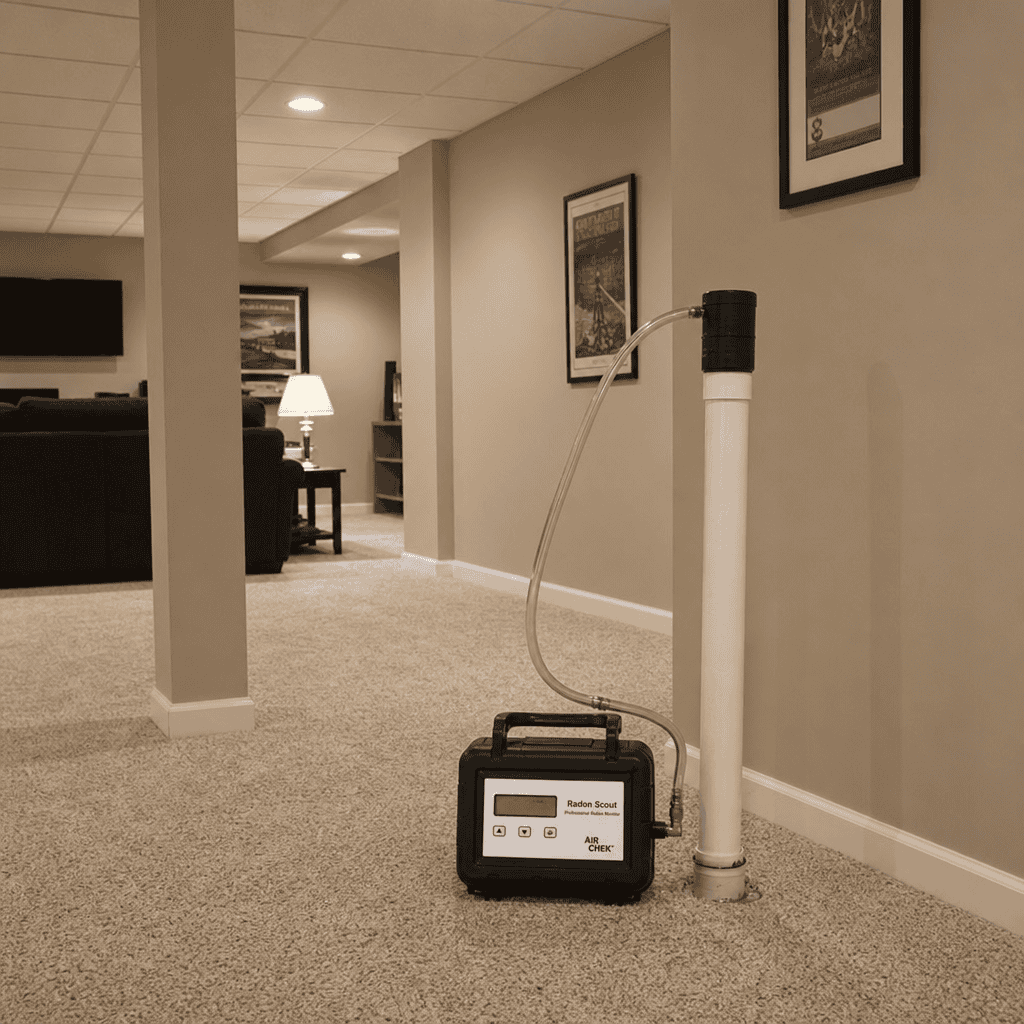
What professional radon testing services include
Professional radon testing services are not just dropping off a box. A good provider handles the test from setup to review. That includes choosing the test location, explaining closed-building rules when needed, placing the device where it can read normal air, retrieving the equipment, and helping you decide whether mitigation should be considered.
The process usually starts with the property. A home with a basement, crawlspace, slab foundation, recent remodel, or a real estate deadline may need a different plan from a long-term homeowner doing a general indoor-air check. The provider should also explain what occupants should avoid during the test, such as moving the device, opening windows during a short-term test, or using fans in ways that skew results.
Many professionals use continuous radon monitors, often called CRMs. These devices record levels over time instead of giving one blended result. That time log can show swings, test breaks, and odd patterns that a basic charcoal kit may miss.
A typical service may include:
- Initial intake: property type, testing purpose, deadline, and any known mitigation history.
- Proper device placement: usually in the lowest livable area or another location that fits the test goal.
- Testing-period instructions: guidance on closed-house conditions, HVAC use, and normal entry or exit.
- Secure monitoring: equipment designed to reduce tampering or spot conditions that may affect the result.
- Professional report: radon level, test duration, device information, and practical next steps.
- Follow-up guidance: whether to retest, monitor longer, or speak with a mitigation professional.
Professional equipment improves the quality of the result
Professional radon testing equipment is built for repeated field use, data logging, and quality control. Compared with simple DIY kits, professional monitors may record hourly readings, spot movement or power loss, and create reports soon after the test ends.
That does not mean every professional radon testing machine is good. The device should fit the property and be kept in good shape. NRPP says professionals using measuring devices such as continuous monitors must send proof of calibration every year for each device registered with NRPP to apply for and keep certification.
Calibration matters because radon measurement is not just about owning a monitor. A device can drift, age, or be used the wrong way. The value of professional radon testing services comes from the mix of equipment, training, procedure, quality checks, and clear reporting.
Short-term and long-term testing serve different goals
Short-term tests are often used when a quick answer is needed, such as during a home purchase. Long-term tests are better for understanding average exposure over a wider period. The EPA buyer and seller guide says radon changes from day to day and season to season, which is why longer testing gives a better look at year-round conditions.
A professional can help you avoid panicking over one odd reading while also avoiding the bigger mistake: ignoring a real radon problem because the test was placed badly or handled poorly.
When professional testing is especially worth it
A professional radon testing service is most useful when the result will shape a choice with real cost, safety, or liability. If you are just curious, a DIY kit may be a fair first step. If you need confidence, records, speed, or expert reading, hire a professional.
Professional testing is especially useful for:
- Buying or selling a home
- Real estate timelines are tight. A professional report can help buyers, sellers, and agents address radon clearly instead of arguing over test setup, timing, or interpretation.
- Testing after mitigation
- A mitigation system should be checked after installation. Professional testing can confirm whether the system is reducing levels as planned and whether more changes may be needed.
- Homes with basements or crawlspaces
- Lower levels often need special attention because radon usually enters from beneath the building. A trained provider can choose a spot that reflects actual living conditions.
- Rental, multiunit, or commercial settings
- Rules can change by state and property type, so records and qualified providers matter. The EPA says to contact your state radon program to learn local rules and find qualified professionals.
- Peace of mind after a questionable DIY test
- If a kit was placed near a draft, moved during testing, exposed to unusual ventilation, or delayed before lab submission, professional retesting may give you a cleaner answer.
How do you choose a qualified radon testing professional?
Choose a provider by checking credentials, state rules, equipment practices, and report clarity before you book. The EPA points homeowners to state radon programs and the two national proficiency programs, NRPP and NRSB, when looking for qualified radon measurement or mitigation providers.
A professional should be willing to explain credentials without making the process feel hard to follow. Ask whether the person who will do the test is expert, whether your state requires licensing or registration, and whether the company’s equipment is calibrated to the right program rules.
The National Radon Safety Board also offers a find a professional tool and notes that some states have radon certification or registration programs. That state check matters because rules are not the same everywhere.
Use this quick checklist before hiring radon testing companies:
- Credential verification: Look for NRPP, NRSB, or state-recognized credentials where they apply.
- Current status: Do not rely only on a logo; confirm the credential is active.
- Device calibration: Ask when the monitor was last calibrated and whether proof is available.
- Testing protocol: Confirm how long the test will run and what conditions are required.
- Report contents: Ask what the final report includes and when you will get it.
- Conflict clarity: If the company also sells mitigation, ask how testing advice is kept separate from sales advice.
- Local experience: Choose someone familiar with homes, foundations, and radon patterns in your region.
Aspen Radon, for example, says it serves Colorado homeowners with testing and mitigation, and its testing page says it uses professional testing equipment and follows industry protocols. If you look at Aspen Radon or any other provider, still check the technician’s current credentials and ask the same questions you would ask any radon contractor.
A closer look at reports and next steps
The report is where professional testing should become useful. A good report should not leave you staring at a number without context. It should explain the measured level, the test duration, the device used, the test location, and any conditions that may have changed the result.
If the level is low, you may still want to retest regularly, especially after major renovations, foundation work, HVAC changes, or converting a basement into living space. If the level is near or above the EPA action level, the next step is usually radon mitigation planning, followed by post-mitigation testing. If the result is borderline or does not match earlier readings, a longer follow-up test may be a good idea.
Look for a report that answers these questions clearly:
- Where was the device placed?
- What dates and times were included in the test?
- What was the average radon concentration?
- Were there hourly readings or a time-series graph?
- Was the device moved, disturbed, or exposed to abnormal conditions?
- What does the provider recommend next?
- Does the recommendation separate retesting from mitigation?
A report does not need to be hard to use. It needs to be traceable, readable, and specific enough to support your next decision.
What should you expect during the appointment?
Expect the appointment to be simple, but not casual. The technician should place the monitor carefully, explain what not to touch, review ventilation rules, and schedule pickup or retrieval. After the test ends, the provider should collect the device, process the data, and send a report in the agreed format.
Before the appointment, make sure the test area is easy to reach. Move clutter away from likely placement spots, keep pets and children away from the device, and tell the technician about sump pits, crawlspaces, additions, or old mitigation systems. Those details can affect where the device goes and how the result is read.
During the test, normal living usually continues, but the rules matter. Closed-building conditions are common for short-term tests, and unusual ventilation can change the reading. If something happens during the test, such as a power outage, open windows, or device movement, tell the provider instead of hoping it does not matter.
DIY testing still has a place
Professional testing is not the only valid way to measure radon. DIY kits are easy to find, and the EPA says many kits are sold online or in home improvement stores, with users following package directions for placement and lab submission. For routine screening, that can be a practical and low-cost start.
The limit is that DIY testing depends a lot on the user. Placement, timing, closed-house conditions, shipping delays, and missed steps can all reduce confidence in the result. DIY kits also may not provide the hourly detail, tamper signs, or professional documentation expected in a sale or formal property decision.
A balanced approach often works best. Use DIY testing for general awareness if you can follow the directions carefully. Use a professional radon testing service when the result needs to guide a purchase, sale, mitigation plan, rental choice, or long-term health concern.
Better testing leads to better decisions
Radon testing is not about fear. It is about replacing guesswork with measured information. Once you know the level in the home, you can make a clear choice: keep monitoring, retest under better conditions, or move toward mitigation.
The best professional radon testing services make that choice easier by combining expert people, professional radon testing equipment, and plain-language reporting. They do not just hand over a number; they help you understand what that number means for the property and the people living in it.
If you are comparing radon testing services, start with credentials, calibration, report quality, and local experience. Whether you contact Aspen Radon or another qualified provider, choose a radon testing professional who can explain the process clearly and stand behind the result. A careful test today can help protect the home, support a fair deal, or guide mitigation with less uncertainty.
Q&A
When is a DIY radon test enough, and when should I hire a professional?
A DIY kit can be a fair starting point for general awareness if you can follow the instructions carefully and do not need formal records. A professional test is the better choice when the result will affect a home purchase or sale, mitigation decisions, rental or commercial responsibilities, or long-term health concerns. Professionals add value through trained placement, calibrated equipment, controlled testing conditions, and clearer reports.
What radon level usually triggers mitigation?
The EPA recommends fixing a home when radon levels are at or above 4 pCi/L. If a result is near that level, does not match earlier readings, or comes from questionable test conditions, a professional may recommend retesting or longer-term testing before final decisions are made. If the level is clearly elevated, the next step is usually mitigation planning followed by post-mitigation testing.
Why does device calibration matter in professional radon testing?
Calibration helps confirm that a radon monitor is giving reliable measurements. Professional monitors can drift, age, or be used the wrong way, so equipment care is part of what makes a professional test more dependable. The article notes that NRPP requires professionals using measuring devices such as continuous monitors to submit annual proof of calibration for each registered device.
What should a good professional radon report include?
A useful report should explain where the device was placed, the dates and times of the test, the average radon concentration, the device used, and any conditions that may have changed the result. When available, hourly readings or a time-series graph can also help show swings or possible interruptions. Most importantly, the report should give practical next steps, such as whether to retest, monitor longer, or consider mitigation.
How can I compare radon testing companies before scheduling?
Start by checking whether the provider has active NRPP, NRSB, or state-recognized credentials where they apply. Ask about state rules, device calibration, testing protocol, report contents, turnaround time, and local experience. If the company also sells mitigation, ask how it separates testing advice from sales advice so you can understand the result clearly and avoid pressure.
About the Author
Chris Davis
Chris Davis is the owner and founder of Aspen Radon, a trusted radon testing and mitigation company serving Southern Colorado since 1998. With decades of hands-on experience in radon testing, radon inspection, mitigation, and radon remediation, Chris is dedicated to helping homeowners understand radon risks and improve indoor air quality. Through Aspen Radon, he provides knowledgeable guidance and reliable solutions to help protect homes and create safer indoor environments.