Buying a home is one of the most significant financial and personal decisions most people will ever make. While buyers often focus on location, price, and visible structural issues, one invisible threat is frequently overlooked: radon gas. Radon is a naturally occurring radioactive gas that can pose serious health risks when it accumulates inside a home. That’s why radon testing before buying a house is not just recommended—it’s essential.
For buyers navigating the real estate process in Colorado and beyond, understanding the importance of radon testing can help protect long-term health, avoid unexpected costs, and support informed negotiations. Radon companies like Aspen Radon specialize in professional radon testing and mitigation, helping buyers make confident decisions before closing on a property.
What Is Radon and Why Should Homebuyers Care?
Radon is a naturally occurring radioactive gas released from the breakdown of uranium found in soil, rock, and groundwater. While it exists outdoors in harmlessly low concentrations, radon becomes a serious concern when it accumulates inside enclosed spaces such as homes and buildings. Radon can enter a house through foundation cracks, basement floors, crawl spaces, construction joints, sump pits, floor drains, and even well water, making virtually any home susceptible—regardless of age, design, or location.
Because radon is colorless, odorless, and tasteless, homeowners and buyers cannot detect it without professional testing. A home may appear structurally sound, well-maintained, and newly renovated, yet still contain dangerously high radon levels. This is why radon testing before buying a home is the only reliable way to determine whether a property poses a hidden health risk.
Health authorities, including the U.S. Environmental Protection Agency, identify radon exposure as the second leading cause of lung cancer, surpassed only by smoking. Prolonged exposure to elevated radon levels significantly increases cancer risk, and the danger applies to both smokers and non-smokers. In fact, radon-related lung cancer causes thousands of preventable deaths each year.
For homebuyers, the concern is not just immediate exposure but long-term risk. Purchasing a home often means committing to living in that space for many years. Without testing, buyers may unknowingly expose themselves and their families to radon every day. This makes radon testing an essential step in safeguarding health, especially for households with children, elderly family members, or individuals with respiratory conditions.
Understanding what radon is and how it enters homes empowers buyers to make informed decisions. When identified early through proper testing, radon can be effectively mitigated, allowing buyers to move forward with confidence and peace of mind.
Why Radon Testing Before Buying Is So Important
Radon Levels Vary From Home to Home
Radon levels can differ dramatically between neighboring houses—even homes built on the same street. Construction style, foundation type, soil composition, and ventilation all influence radon accumulation. A general area’s radon risk does not guarantee that a specific home is safe.
Conducting radon testing before buying ensures you are evaluating the actual property, not relying on assumptions or regional averages.
Radon Is Often Not Included in a Standard Home Inspection
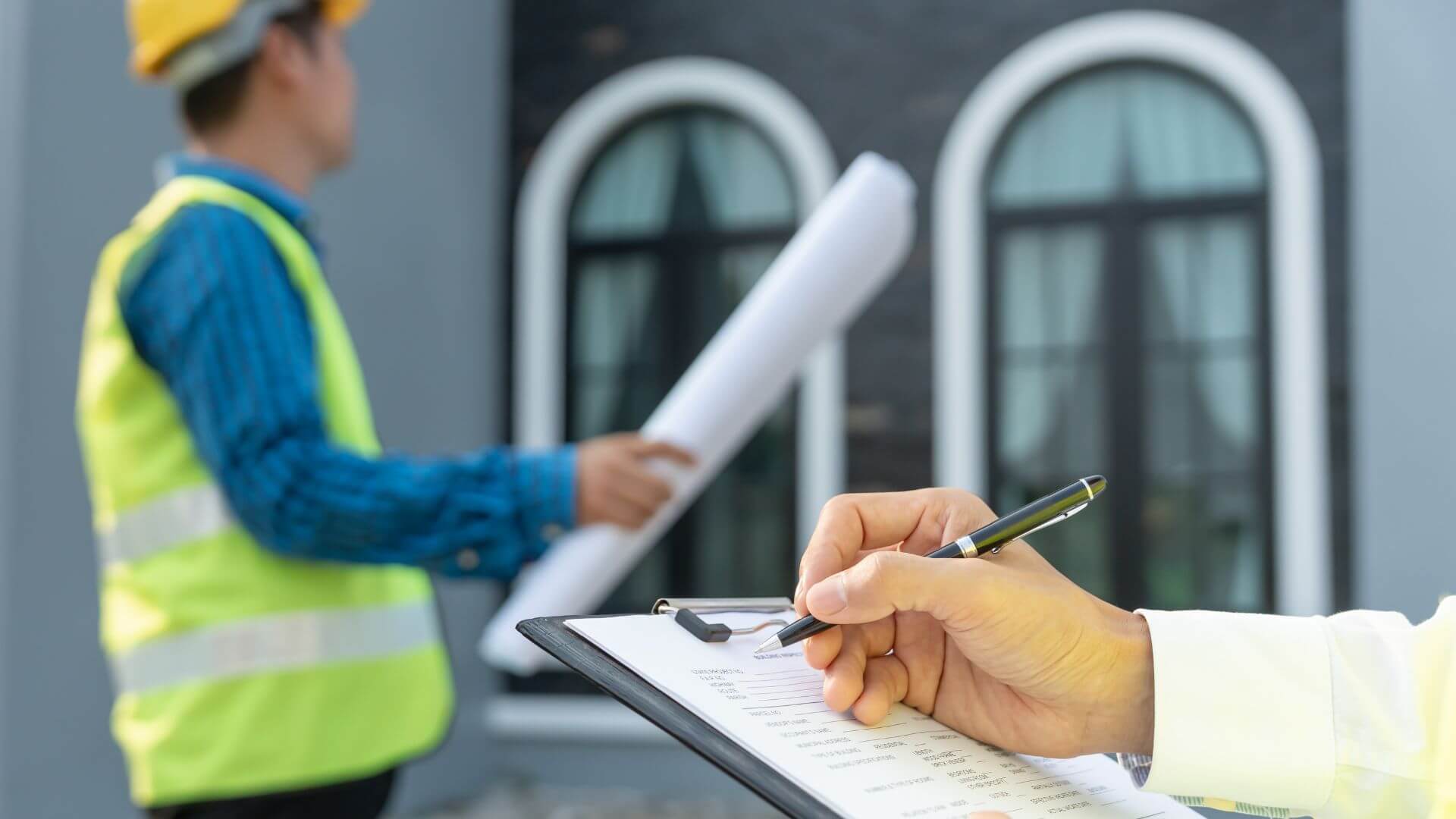
Many buyers assume radon testing is part of a standard home inspection, but this is not always the case. A typical home inspection radon test is often considered an add-on service or must be requested separately.
If radon testing is skipped during the inspection phase, buyers may discover elevated levels only after moving in—when mitigation costs and responsibility fall solely on them.
Real Estate Radon Issues Can Affect Negotiations
Radon testing plays a strategic role in real estate radon negotiations. If elevated radon levels are found before closing, buyers can:
- Request that the seller install a mitigation system
- Negotiate a price reduction or closing credit
- Delay closing until mitigation is completed
Radon mitigation is effective and affordable, but discovering the issue early provides leverage and peace of mind.
Understanding Radon Test Cost and Value
One of the most common concerns among buyers is radon test cost. While prices vary by region and provider, professional radon testing is relatively inexpensive compared to the overall cost of purchasing a home.
Typical Radon Test Cost Factors Include:
- Type of test (short-term vs. long-term)
- Property size and layout
- Location and local market rates
- Whether testing is bundled with other inspection services
In most cases, the cost of radon testing is minimal compared to the potential health risks and future mitigation expenses. Considering the stakes, radon testing is one of the best returns on investment during the home-buying process.
Short-Term vs. Long-Term Radon Testing
Short-Term Tests
Short-term radon tests usually last between 48 hours and 7 days and are commonly used during real estate transactions. They provide a quick snapshot of radon levels and are ideal for time-sensitive home purchases.
Long-Term Tests
Long-term tests run for 90 days or more and offer a more accurate picture of a home’s average radon exposure over time. While not always practical before closing, they are useful for homeowners who want ongoing monitoring.
Professional providers like Aspen Radon typically recommend short-term testing for buyers, followed by additional testing after mitigation if needed.
Radon Testing in Colorado and High-Risk Areas
Colorado is known for elevated radon levels due to its geology, making radon testing especially important for buyers in the region. Homes at any elevation, age, or price point can be affected.
Even newly constructed homes are not immune. In fact, newer homes can sometimes trap radon more effectively due to tighter building envelopes and energy-efficient designs.
What Happens If a Home Fails a Radon Test?
If radon levels exceed the EPA’s recommended action level of 4.0 pCi/L, mitigation is advised. The good news is that radon mitigation systems are highly effective and can reduce radon levels by up to 99%.
Common mitigation solutions include:
- Sub-slab depressurization systems
- Sealing foundation cracks and entry points
- Improving ventilation
Professional mitigation installed before closing ensures the home is safe from day one.
How Aspen Radon Helps Homebuyers
Aspen Radon works with buyers, sellers, real estate agents, and inspectors to provide accurate testing and reliable mitigation solutions. Their experience in radon testing and mitigation allows buyers to move forward with clarity and confidence.
By partnering with a dedicated radon professional, buyers receive:
- Professional radon testing and reporting
- Clear, easy-to-understand reports
- Guidance through negotiation and mitigation steps
You can learn more about their services by visiting the official website:
Radon Testing and Real Estate Professionals
Many real estate professionals now encourage radon testing as part of responsible disclosure and buyer protection. Including radon testing in the inspection process demonstrates transparency and helps transactions proceed smoothly.
For buyers, choosing to test proactively shows diligence and protects against post-purchase surprises.
Frequently Asked Questions (FAQs)
Is radon testing required before buying a house?
Radon testing is not legally required in most states, including Colorado, but it is strongly recommended—especially in areas known for elevated radon levels. Because radon is invisible and odorless, buyers cannot detect it without testing. Many health and real estate professionals consider radon testing before buying an essential part of due diligence, as it helps protect long-term health and prevents unexpected issues after closing.
How long does a home inspection radon test take?
A standard home inspection radon test typically takes 48 hours when using a short-term testing method. This timeframe fits well within most real estate inspection periods and provides reliable data for decision-making. During the test, the home must remain under “closed-house conditions” to ensure accurate results. Professional testing companies manage this process to ensure compliance and validity.
What is the average radon test cost?
The radon test cost can vary based on location, property size, and testing method, but it is generally affordable and often costs less than many other inspection add-ons. When compared to the overall cost of buying a home—and the potential health risks of long-term radon exposure—radon testing is a small investment that provides significant peace of mind and financial protection.
Can new homes have high radon levels?
Yes, new homes can still have elevated radon levels. Modern construction techniques often create tighter, more energy-efficient buildings, which can actually trap radon gas indoors. The age, price, or appearance of a home does not determine its radon risk. This is why real estate radon testing is important for all homes, including newly built properties.
Should I test again after mitigation?
Yes. Follow-up testing after radon mitigation is essential to confirm that the system is working properly and that radon levels have been reduced to safe ranges. Post-mitigation testing ensures the effectiveness of the solution and provides documented proof for homeowners and future buyers. Many professionals recommend periodic retesting as part of responsible homeownership.
Protect Your Health Before You Buy
Radon may be invisible, but its impact on health and home value is very real. Radon testing before buying a house is one of the most important steps you can take to protect yourself and your family. It empowers buyers with information, strengthens negotiations, and ensures peace of mind long after closing day.
Ready to Schedule Radon Testing?
If you’re preparing to buy a home and want professional, reliable radon testing, Aspen Radon is ready to help. Their team provides trusted testing and mitigation services designed to support informed homebuying decisions.
Taking action today helps ensure the home you’re buying is not only beautiful—but safe.