
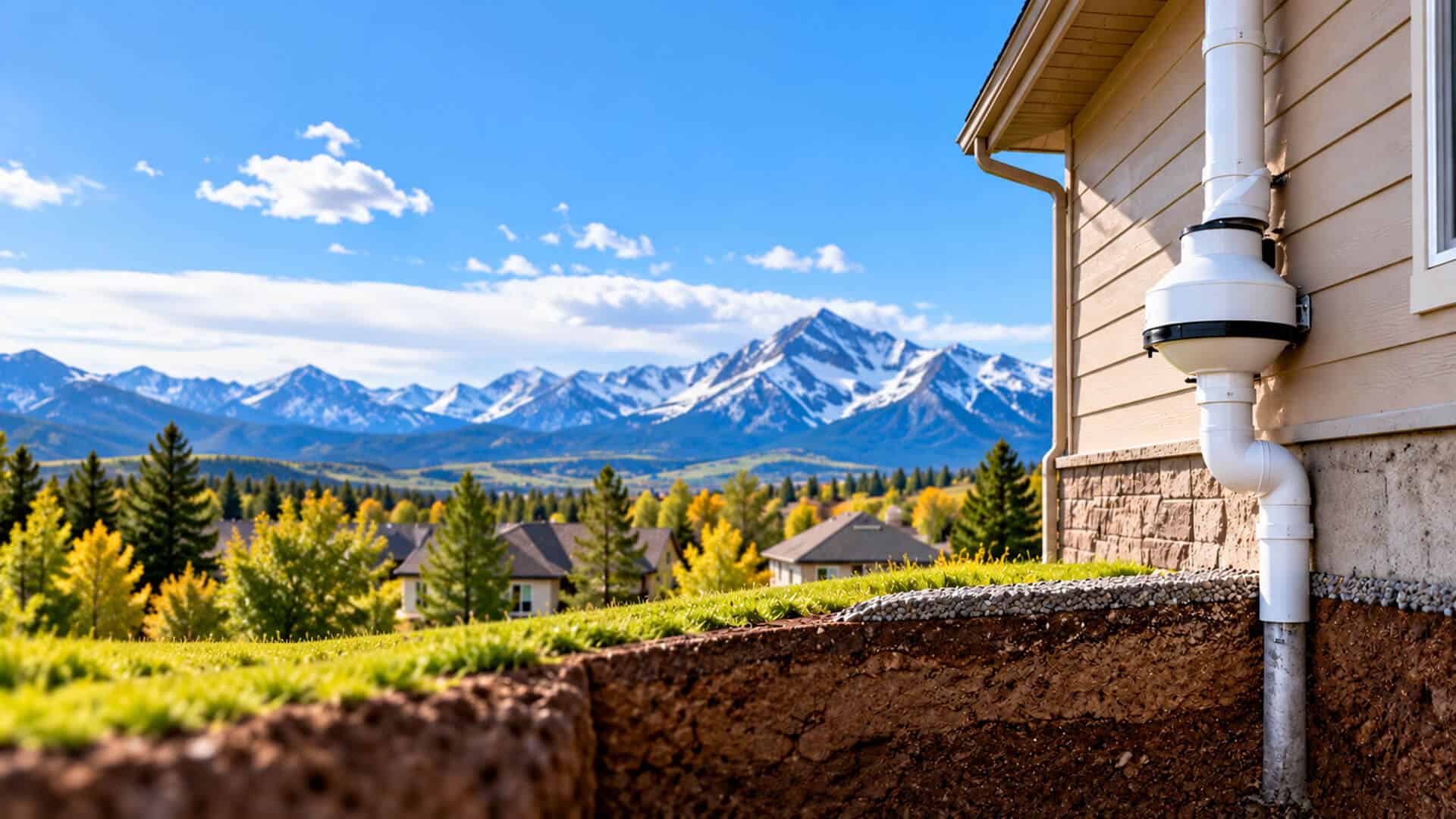
Radon mitigation Colorado homeowners rely on starts with a test.
Radon is often found in Colorado, and testing is the only sure method to determine if it is accumulating inside a house.
If results come back high, a well-built mitigation system can lower indoor radon by pulling soil gas from beneath the home and venting it outdoors.
This guide covers radon testing Colorado homeowners can use, what mitigation involves, how costs vary, and what Colorado Springs residents should know before hiring a pro.
Why are Colorado homes so vulnerable to radon?
Colorado homes are vulnerable because radon forms naturally as uranium breaks down in soil, rock, and water. It then moves through foundation cracks, slab openings, crawl spaces, sump pits, and other gaps.
El Paso County Public Health describes radon as invisible, odorless, and tasteless, so a home can have high levels with no obvious warning signs. The same local agency reports that more than 40 percent of homes tested in El Paso County between 2005 and 2023 had high radon levels, and both El Paso County and Colorado are listed in EPA Zone 1, which means high radon potential.
That matters for anyone comparing radon levels in Colorado data with conditions in a basement, crawl space, or lower-level living area. Radon can vary from one house to the next, even on the same street, because soil conditions, foundation design, ventilation, and home pressure all affect how gas enters. A neighbor’s low result does not clear your home, and a new build is not automatically safe unless it has been tested after construction.
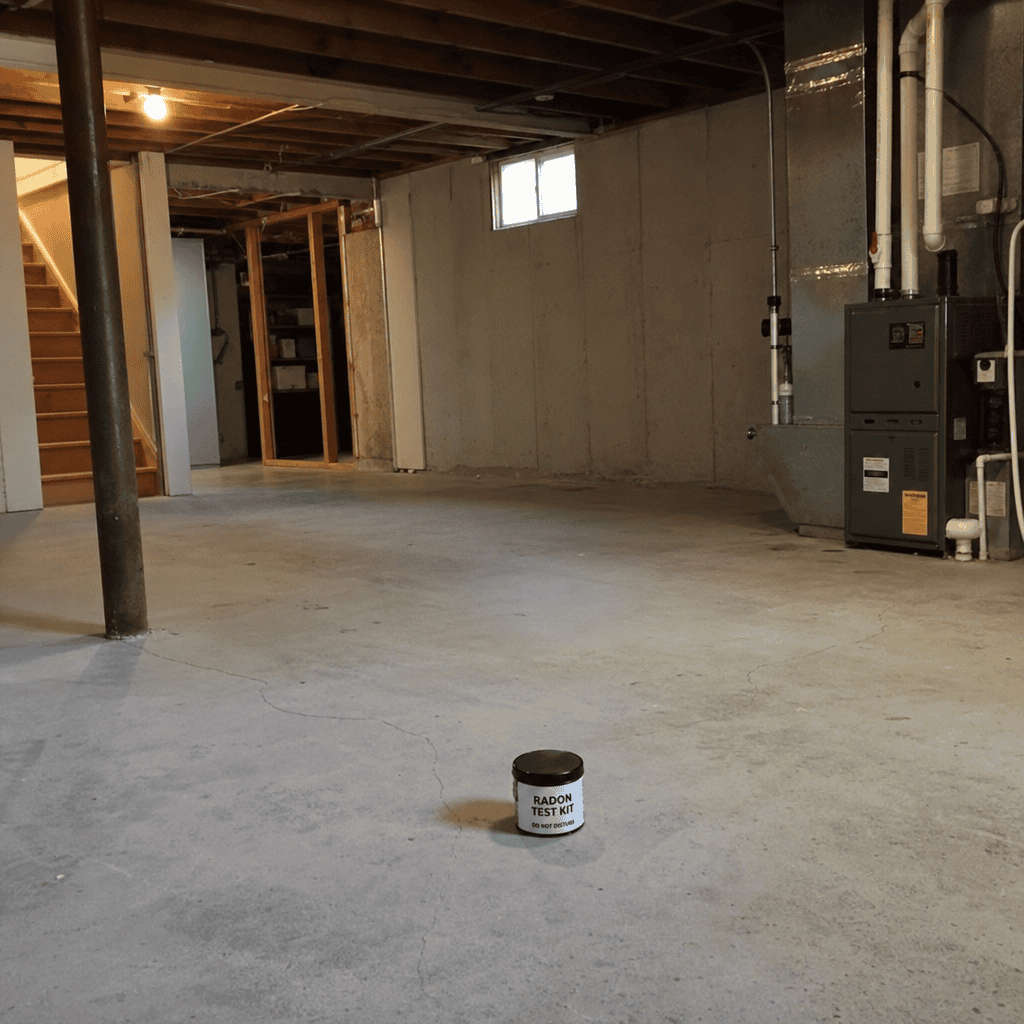
Radon testing gives you the number that matters
A radon mitigation decision should begin with a valid test. The EPA recommends fixing a home when radon is at or above 4 pCi/L and says homeowners should also consider fixing levels between 2 and 4 pCi/L because there is no known safe level of exposure. Radon is also a serious health issue: EPA estimates identify it as the number one cause of lung cancer among non-smokers and link it to about 21,000 lung cancer deaths each year in the United States.
Homeowners usually choose from three practical testing options:
- Short-term test kits: Often used for an initial screen or during a real estate deadline. They are placed in the lowest livable area according to the kit instructions and left undisturbed for the required period.
- Long-term test kits: Better for understanding seasonal variation because they remain in place much longer. They are useful when short-term results are near the action level or when you want a more stable annual average.
- Continuous radon monitors: Electronic monitors can show trends over time and may be used by professional measurement professionals. They are helpful when you want more detail than a single lab result provides.
For radon testing Colorado homeowners can trust, follow the device instructions closely. Keep the test in the right location, avoid moving it, and keep closed-house conditions when the protocol calls for them. If the result is high, repeat testing or professional measurement can help confirm the level before installation, especially when the number is close to 4 pCi/L.
A mitigation system turns hidden soil gas into controlled airflow
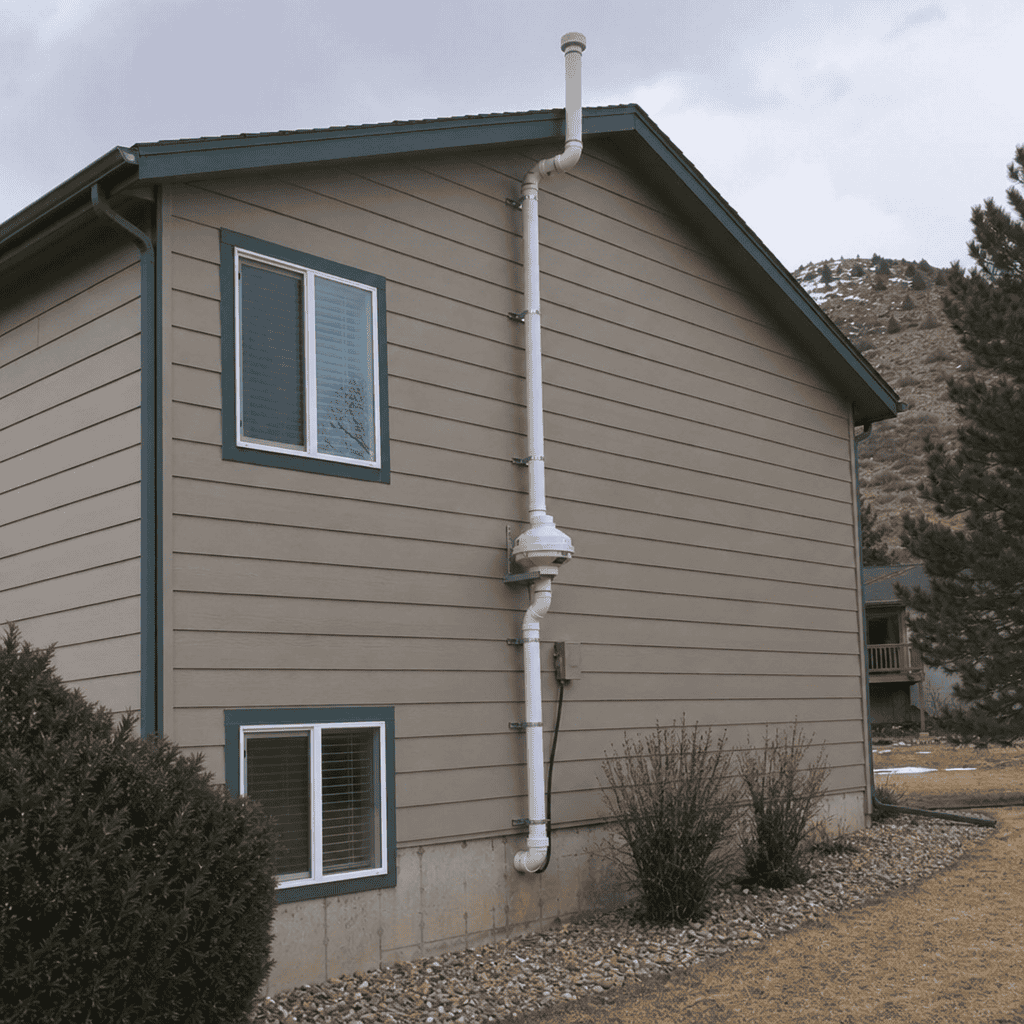
The most common residential fix is a soil suction system. In simple terms, the radon contractor creates suction beneath the slab or crawl space membrane, connects that suction point to PVC pipe, and vents radon above the roofline where it disperses outdoors. The EPA notes that many systems use a vent pipe and fan, while the right method depends on how the home was built and what radon reduction approach is needed.
A radon mitigation system Colorado Springs homeowners request may look simple from the outside, but the design should match the home. A full basement, slab-on-grade home, split-level layout, finished lower level, or crawl space can each call for different suction points, sealing details, pipe routes, and fan sizing. Sealing cracks can support the system, but sealing alone is usually not the full fix because radon pressure below the home still needs a reliable path out.
Passive and active systems are different
A passive system uses pipe routing and natural pressure differences to move soil gas outdoors. Some newer homes may already have passive radon-resistant features, but a passive system still needs testing to prove it is keeping indoor levels low. If test results remain high, a fan can often be added to create an active system.
An active system uses a nonstop fan to pull radon from below the home. This is often what people mean when they search for a radon mitigation system Colorado Springs contractor. The fan is usually installed in an attic, garage, or outside location where it is not drawing radon into living space, and the system should include a visible performance indicator so homeowners can tell whether suction is present.
What affects radon mitigation cost in Colorado?
The radon mitigation cost Colorado homeowners pay depends on the foundation, access, pipe routing, fan requirements, crawl space conditions, finishing materials, and whether the installer must work around drainage systems, sump pits, or complex additions. EPA guidance says most homes can be fixed for about the same cost as other common home repairs, and an EPA consumer guide has described typical repair costs as ranging from $500 to $2,500, while noting that actual costs vary by home size, design, and method needed.
Because labor and material prices change, it is smarter to treat any online number as a planning range rather than a promise. When comparing radon mitigation system cost Colorado estimates, ask each contractor to explain the proposed suction point, pipe route, fan location, warranty terms, post-install test, and any conditions that could increase the final price. A lower bid is not a bargain if it skips crawl space sealing, uses a poor fan location, or fails to include verification testing.
Budget for ownership, too. The fan uses electricity, the system should be checked regularly, and the home should be retested after installation and again over time. Colorado State University Extension notes that EPA recommends retesting homes with mitigation systems every two years to ensure the system is still working effectively.
Colorado rules make credentials more important
Colorado law requires radon professionals to be licensed. Under HB21-1195, individuals conducting radon mitigation or measurement in Colorado have been required to meet state requirements and obtain a license, with limited exemptions such as work performed by an owner on a single-family residence the person owns and occupies. The law also says mitigation work must follow applicable ANSI/AARST or other approved national consensus standards.
Real estate and rental disclosures also matter. SB23-206 requires residential real estate contracts and landlord disclosures to include radon warnings, known radon concentrations and history, tests, reports, mitigation information, and the most recent CDPHE brochure. The law took effect on August 7, 2023, and after January 1, 2026, the tenant lease-voiding remedy described in the bill summary applies only to leases longer than one year.
This is especially relevant for buyers, sellers, landlords, and tenants researching radon mitigation Colorado Springs CO requirements. Disclosure is not the same as a safe test result. If a property has no recent test, the practical next step is to test; if levels are high, the next step is to discuss professional mitigation, documentation, and retesting.
A smart hiring checklist protects your home
Choosing a contractor for radon mitigation in Colorado Springs should feel more like hiring a building-performance specialist than buying a generic home add-on. The best conversations are specific: where the pipe will go, why the fan belongs in that location, how the system will handle your foundation type, and what result the contractor is trying to achieve.
Use this checklist before you sign:
- Verify the individual or company is professional for radon mitigation in Colorado.
- Ask whether the design follows applicable ANSI/AARST standards.
- Request a written scope showing suction points, fan placement, vent termination, sealing work, and electrical responsibilities.
- Confirm whether permits or electrical work are needed for your city or project needs.
- Ask for post-mitigation testing and a clear explanation of what happens if levels remain high.
- Review warranty language for the fan, workmanship, and radon reduction target.
- Compare more than one estimate when timing allows, especially for crawl spaces or finished basements.
- Keep copies of test reports, invoices, diagrams, and final results for future resale or rental disclosure.
A good provider will not pressure you with vague fear. They will explain the test result, inspect the home, describe the mitigation plan in plain language, and document the work so you understand what was installed.
Lower radon is the practical goal
A successful project is not only about installing pipe and a fan. It is about reducing exposure in the rooms where people actually live, sleep, work, and play. After the system is installed, retest under proper conditions and keep the result with your home records.
For many Colorado homeowners, radon feels overwhelming because it is invisible and tied to long-term health risk. The practical path is simpler: test, confirm, hire a professional professional when levels are high, and maintain the system. If you are comparing options for radon mitigation in Colorado Springs, start with a reliable test result and choose a contractor who can explain exactly how their system will lower the radon in your specific home.
Q&A
When should a Colorado homeowner take action on a radon test result?
The EPA recommends fixing a home when radon is at or above 4 pCi/L, and homeowners should also consider mitigation when results fall between 2 and 4 pCi/L because there is no known safe level of radon exposure. If a result is close to the action level, repeating the test or hiring a professional measurement professional can help confirm the level before installing a mitigation system.
Why can two nearby homes have very different radon levels?
Radon levels depend on more than location. Soil conditions, foundation type, cracks or openings, crawl spaces, sump pits, ventilation, and pressure differences inside the home all affect how radon enters. That is why a neighbor’s low result does not prove your home is safe, and why each property needs its own test.
Is sealing foundation cracks enough to solve a radon problem?
Sealing cracks can help support a mitigation system, but it is usually not considered a full fix by itself. A typical residential mitigation system creates suction beneath the slab or crawl space membrane and vents soil gas above the roofline, giving radon a controlled path outdoors before it enters living areas.
What should be included when comparing radon mitigation estimates?
Homeowners should look beyond the total price and ask each contractor to explain the suction point, pipe route, fan location, sealing work, vent termination, warranty terms, post-mitigation testing, and any conditions that could increase the final cost. A lower estimate may not be the best value if it skips key details or does not include verification testing.
Do mitigated homes need to be tested again?
Yes. After installation, the home should be retested under proper conditions to confirm the system lowered radon levels. The system should also be checked regularly, and Colorado State University Extension notes that EPA recommends retesting homes with mitigation systems every two years to ensure the system is still working effectively.
About the Author
Chris Davis
Chris Davis is the owner and founder of Aspen Radon, a locally owned radon company serving Southern Colorado since 1998. With decades of experience in radon testing, radon inspection, mitigation, and radon remediation, Chris is dedicated to helping homeowners identify radon risks and make informed decisions about their indoor air quality. Through Aspen Radon, he provides practical solutions, dependable service, and knowledgeable guidance to help homeowners maintain safer and healthier indoor environments.