Radon abatement services help homeowners find, reduce, and track radon gas before it hurts indoor air quality.
Because radon is invisible and odorless, the first step involves testing for it. This is followed by setting up a reliable mitigation system. Finally, further tests are done to make sure the system is working well.
If you have high radon levels, especially in a basement, crawl space, or lower living area, professional radon removal is a practical way to cut daily radon exposure.
When do radon levels call for action?
Radon levels call for action when a reliable test shows an average of 4 pCi/L or higher, which is the EPA action level for fixing a home. The EPA also says lower is better, and many homeowners choose mitigation when results fall between 2 and 4 pCi/L because no level of radon exposure is known to be fully safe.
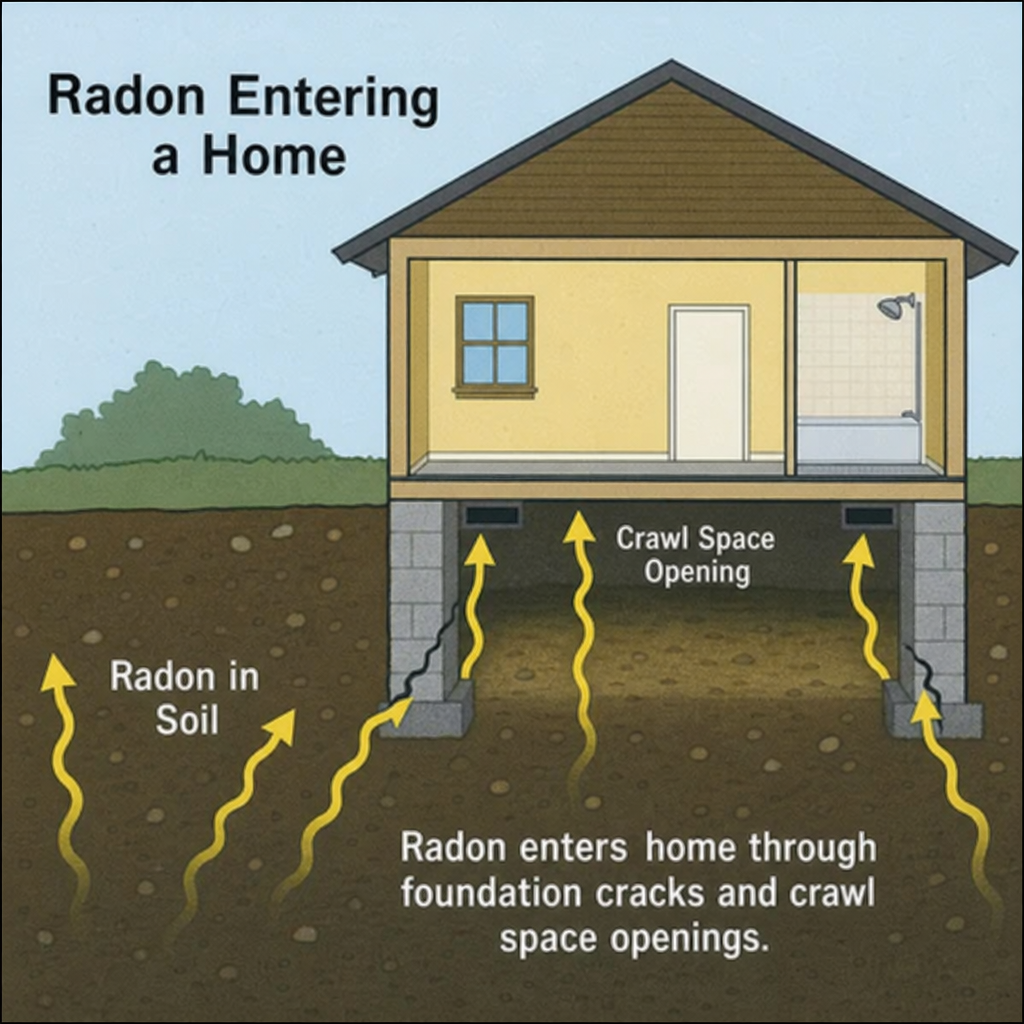
Radon is a naturally occurring hazardous gas that comes from uranium breaking down in soil, rock, and water. It can enter through foundation cracks, crawl spaces, construction joints, sump openings, pipe gaps, and other pressure paths. The CDC says radon is the second leading cause of lung cancer deaths in the United States after cigarette smoke, which is why testing and mitigation matter even when a home looks clean, dry, and well kept.
For homeowners in Colorado mountain communities, including Aspen radon deserves extra attention. Colorado health guidance has named all counties Zone 1, the highest radon risk category, and Pitkin County notes that a home’s age does not show whether it has a radon problem. In other words, Aspen radon concerns can affect old cabins, remodeled homes, luxury homes, and new builds alike.
Radon testing is the first step, not a formality
A radon abatement system should be based on real test results, not a guess, a neighbor’s reading, or the fact that another home has a system. Two similar homes on the same street can test differently because soil, foundation design, ventilation, weather, and how people use the home all change indoor readings. Testing is the only way to know whether your home needs radon mitigation.
Short-term radon testing is often used when someone needs a quick answer, such as during a real estate deal. Long-term testing gives a fuller picture because radon levels can change with seasons and weather. If a short-term test is high, a professional can help decide whether to confirm with another test or move straight into mitigation, based on the result, the timeline, and how the property is used.
A practical testing plan usually includes:
- Testing the lowest lived-in level of the home, not only the most comfortable or recently finished space.
- Following closed-house conditions when the test method requires it, especially for short-term tests.
- Avoiding poor placement, such as near drafts, exterior doors, fireplaces, high humidity, or direct sunlight.
- Keeping records of device type, test dates, room location, average result, and any odd conditions.
- Retesting after major changes, including basement finishing, foundation repairs, crawl space work, HVAC changes, or additions.
How does a radon abatement system work?
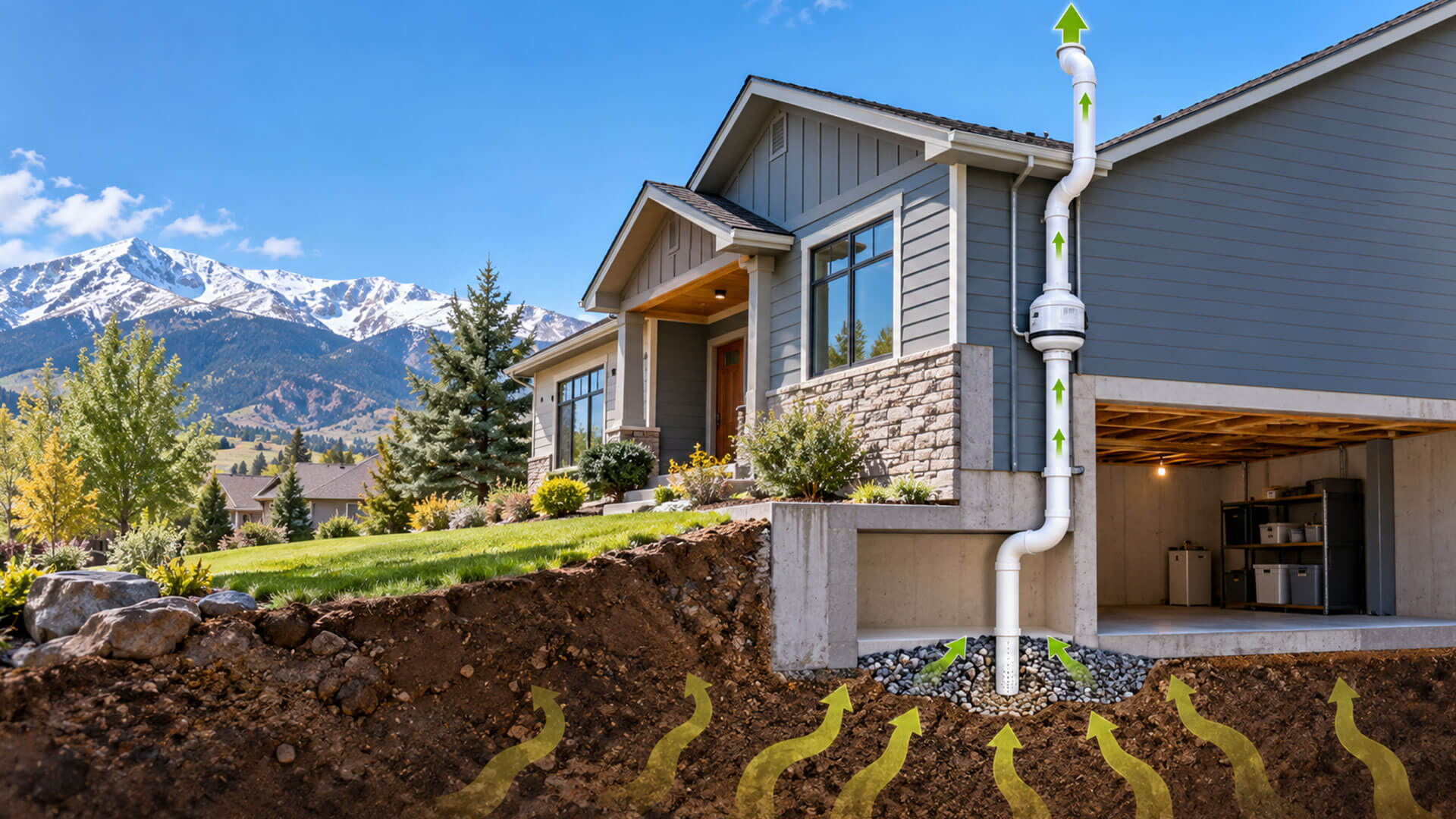
A radon abatement system usually works by making a path that pulls soil gas from under the home and vents it outdoors before it can build up inside. The most common approach is active soil suction, which uses piping and a fan to draw radon from below the slab or crawl space and send it safely outside. EPA guidance describes vent pipe and fan systems as common radon reduction methods and says the best method depends on the home’s foundation.
The goal is not to filter radon out of a room after it enters. A well-built radon abatement system lowers the pressure that pulls radon into the house in the first place. That is why professional review matters: the contractor looks at how air moves through the foundation, where suction points should go, how strong the fan should be, and where the exhaust can be routed.
Common system types include:
- Sub-slab suction: A suction point is set through the slab, then linked to piping and a fan that pulls radon from below the concrete.
- Drain tile suction: If a home has drain tile around the foundation, the system may use that path to collect soil gas.
- Sump pit suction: In some homes, a sealed sump basin can become part of the suction field.
- Crawl space membrane suction: In crawl spaces, a durable membrane is sealed over exposed soil, and suction is applied below it.
- Block wall suction: Some hollow-block foundations may need extra methods if radon is moving through wall cavities.
Sealing cracks and gaps is still useful, but it is usually a support step rather than a full radon removal strategy. Sealing can improve system efficiency and cut air leaks, yet EPA guidance says sealing alone has not been shown to lower radon levels much or often.
What happens during professional radon mitigation?
A radon mitigation visit usually starts with a review of your test results, foundation type, mechanical systems, and the places where radon is most likely to enter. The contractor may inspect the basement, crawl space, sump area, slab condition, utility penetrations, and possible pipe routes. Good planning keeps the system effective while reducing needless disruption to finished spaces.
Most installations follow a clear sequence:
- Confirm the mitigation target. The radon contractor reviews the radon test result and talks about the goal of reducing levels below the EPA action level, ideally as low as reasonably possible.
- Design the suction plan. The foundation helps decide whether sub-slab, drain tile, sump, crawl space, or mixed methods are best.
- Install piping and suction points. Openings are made where needed, then sealed after the pipe is set.
- Place the fan correctly. Radon fans are usually kept outside the conditioned living space, such as outdoors, in an attic, or in a garage, depending on standards and design.
- Route exhaust safely. The discharge point should release radon outdoors where it can dilute, away from openings that could pull it back inside.
- Label and test the system. A visible system monitor, often a manometer, helps show whether the fan is creating suction.
- Retest the home. Follow-up radon testing shows whether the system has lowered indoor levels.
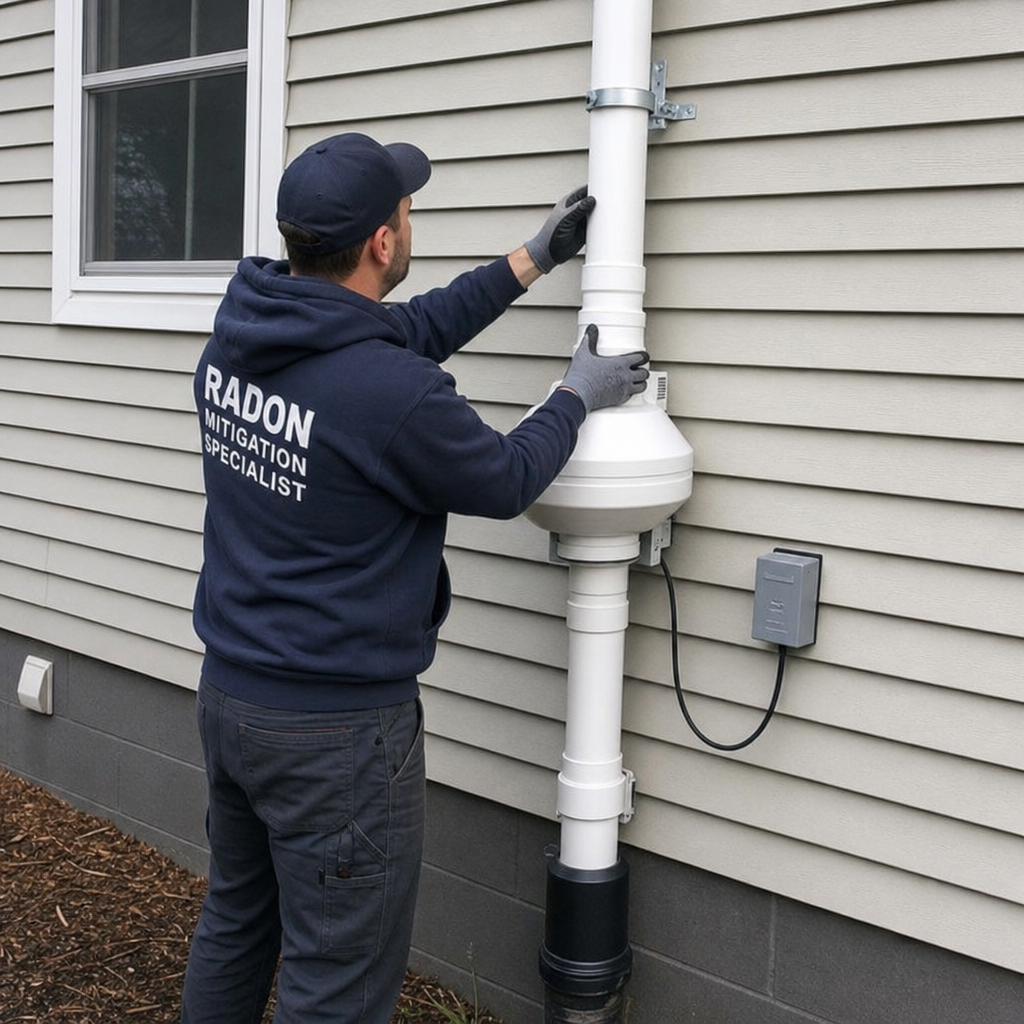
A professional system should also be neat, durable, and clear. You should know what the fan does, what normal monitor readings look like, where the system exhausts, and who to call if the monitor changes or the fan stops.
Cost depends on the home, not just the test number
Radon abatement costs vary because homes vary. A simple unfinished basement with good air flow under the slab may need a simpler install than a home with several foundation types, finished lower levels, tight access, or a large crawl space. The radon number matters, but building conditions often set the scope.
When comparing estimates, look beyond the bottom-line price. A cheaper quote may not include crawl space membrane work, sealing, electrical work, permits where required, post-installation testing, or a clear performance promise. A stronger proposal explains the mitigation method, pipe route, fan location, exhaust location, warranty terms, and what happens if follow-up testing stays high.
Ask each contractor to clarify:
- What mitigation method they recommend and why.
- Whether the proposal includes sealing, crawl space work, or sump work.
- Where the fan and discharge point will be located.
- Whether electrical work is included or separate.
- Whether a post-mitigation test is included.
- What result they are willing to stand behind.
- What maintenance the system will need over time.
How do you choose a qualified radon mitigation professional?
Choose a radon mitigation professional by checking certification, asking for a written scope, reading references, and making sure the contractor follows state and national radon standards. The National Radon Safety Board advises consumers to contact their state radon program for a full list of professionals who are legally able to work in their area, and national certification programs such as NRSB and NRPP are often used to identify trained radon professionals.
This matters because radon mitigation is not just general handyman work. A bad system can be noisy, unattractive, ineffective, or poorly routed. In some cases, a poor design can miss the real entry path, leaving the homeowner with a fan that runs but does not solve the indoor air quality problem.
Use this selection checklist before signing:
- Verify credentials. Ask for current radon mitigation certification and check it through the right registry or state program.
- Request a written plan. The quote should describe the system type, materials, fan location, exhaust route, and testing plan.
- Ask about standards. The contractor should know the accepted radon measurement and mitigation practices.
- Compare more than one quote. Multiple proposals help you spot vague scopes, missing work, or overly complex designs.
- Confirm insurance and responsibilities. Know who handles electrical work, repairs to finishes, permits, and cleanup.
- Require post-installation testing. A system is not proven until testing shows that radon levels have dropped.
Home buyers and sellers should treat radon early
Radon testing can become stressful when it shows up late in a home purchase. Buyers want to know the home is safe, sellers want the deal to keep moving, and both sides may not know who should pay for mitigation. EPA home buyer guidance recommends fixing homes when the average radon level is 4 pCi/L or higher and encourages buyers and sellers to discuss timing and costs when elevated levels are found during a deal.
The best approach is to raise the issue early. Buyers can include radon testing in the radon inspection period and ask for records if a system already exists. Sellers can test before listing, fix high levels before talks begin, and share follow-up results to cut uncertainty.
If a property already has a radon abatement system, do not assume it is working. Ask for the install date, contractor details, maintenance history, warranty details, and recent radon testing results. A working fan is a good sign, but the indoor test result is what proves performance.
Long-term monitoring keeps the system trustworthy
Radon mitigation is not a one-time set it and forget it project. Fans age, seals can change, foundations move, crawl space membranes can be disturbed, and remodeling can change pressure patterns inside the home. The EPA recommends retesting homes often, and Colorado State University Extension notes EPA guidance to retest homes with mitigation systems every two years to make sure the system is still working well.
A simple maintenance routine can help protect the investment:
- Check the system monitor often and learn what a normal reading looks like.
- Listen for unusual fan noise, vibration, or silence.
- Keep exterior vent parts clear of damage, snow buildup, or blockage.
- Avoid puncturing or moving crawl space membranes.
- Retest after remodeling, waterproofing, HVAC changes, or foundation work.
- Keep test results and service records with your home papers.
Some homeowners also use continuous radon monitors for extra visibility. These devices can show trends, but they should be used with care because short spikes do not always show the long-term average. If readings trend upward or stay high, schedule professional radon testing or system review.
Better indoor air quality starts below the foundation
Radon is easy to ignore because it does not smell, stain walls, trigger alarms, or cause quick symptoms. But that is why a measured approach matters. Testing gives you the number, radon abatement gives you a plan, and follow-up monitoring gives you confidence that the fix still works.
Whether you are dealing with Aspen radon concerns, buying a home, finishing a basement, or just trying to improve indoor air quality, start with reliable radon testing. If results are high, work with a qualified radon mitigation professional to design a radon abatement system that fits the home instead of relying on guesswork. The best time to reduce radon exposure is before years of daily living turn an invisible problem into avoidable risk.
Q&A
Should a homeowner mitigate radon if the test result is below 4 pCi/L?
The EPA action level is 4 pCi/L or higher, but the article notes that lower is better and that no level of radon exposure is known to be fully safe. Because of that, some homeowners choose mitigation when results are between 2 and 4 pCi/L, especially if the space is used a lot, the home is in a high-radon area such as Colorado, or the owner wants to cut long-term exposure as much as possible.
Why can two nearby homes have very different radon readings?
Radon levels depend on more than location. Soil, foundation design, ventilation, weather, pressure paths, and how people live in the home can all change how much radon enters and builds up indoors. That is why a neighbor’s test result or mitigation system does not show what is happening in your home. Reliable radon testing in the lowest lived-in level is the only way to know whether mitigation is needed.
Is sealing foundation cracks enough to solve a radon problem?
Sealing cracks and gaps can help, but it is usually not a full radon removal strategy by itself. The article explains that sealing may improve system efficiency and cut air leaks, but EPA guidance says sealing alone has not been shown to lower radon levels much or often. Most effective systems lower radon by pulling soil gas from under the home and venting it outdoors before it enters.
What should be checked after a radon abatement system is installed?
The home should be retested to confirm that indoor radon levels dropped, and the homeowner should know how to read the system monitor, such as a manometer. It is also important to know where the fan and exhaust are located, what normal operation sounds and looks like, and when to call for service. Over time, often retesting, monitor checks, and attention to fan noise, vent blockages, and crawl space membrane damage help keep the system trustworthy.
About the Author
Chris Davis
Chris Davis is the owner and founder of Aspen Radon, a locally owned radon company serving Southern Colorado since 1998. With decades of experience in radon testing, inspection, mitigation, and radon remediation, Chris is committed to helping homeowners understand radon risks and protect their indoor air quality. Through Aspen Radon, he provides reliable guidance and practical solutions designed to help homeowners create safer, healthier living environments.