
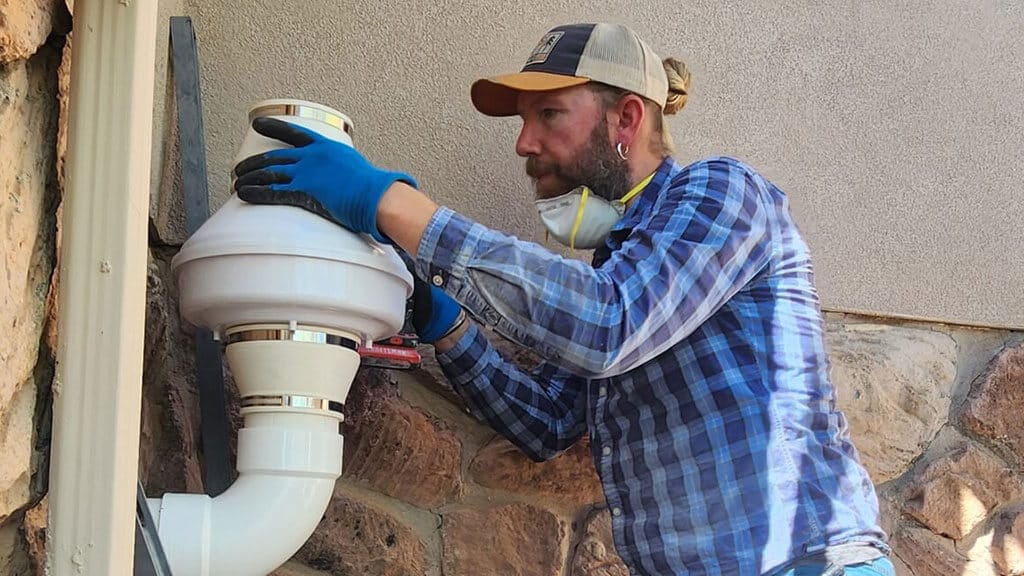
Radon is a colorless, odorless, and radioactive gas that can quietly enter homes without detection. Because it cannot be seen or smelled, the only reliable way to know if your home is affected is through proper testing. Understanding how radon testing works is the first step toward protecting your family’s health and ensuring your indoor air is safe.
In this guide, we’ll walk you through the complete radon test process, explain the difference between professional radon testing and a DIY radon test, and show why working with trusted experts like Aspen Radon provides the most accurate results.
What Is Radon and Why Testing Matters?
Radon is a naturally occurring gas formed from the breakdown of uranium in soil, rock, and water. It moves up through the ground and can enter homes through cracks in foundations, gaps around pipes, sump pits, and other openings.
The danger lies in long-term exposure. According to environmental health studies, radon is the second leading cause of lung cancer after smoking. Because symptoms are not immediate, testing is the only way to detect elevated levels early.
This is why homeowners often ask: how radon testing works and whether it is really necessary. The answer is simple—yes, testing is essential for every home, regardless of age or location.
How Radon Testing Works: The Basics
At its core, radon testing measures the concentration of radon gas inside your home over a specific period of time. The results are usually expressed in picocuries per liter (pCi/L).
The Environmental Protection Agency (EPA) recommends taking action if levels reach or exceed 4.0 pCi/L. However, even lower levels may still pose some risk over time.
The radon test process typically involves placing a specialized device in the lowest livable area of your home and allowing it to collect data over a set duration. After the testing period, the device is analyzed to determine the average radon concentration.
Step-by-Step Radon Test Process
To help you understand clearly how radon testing works, here is a breakdown of the typical process used in both DIY and professional settings:
Step 1: Choosing the Type of Test
There are two main types of radon tests:
- Short-term tests (2–7 days)
- Long-term tests (90+ days)
Short-term tests provide quick results, while long-term tests give a more accurate picture of year-round radon exposure.
Step 2: Selecting the Testing Location
The test is usually placed in the lowest level of the home that is regularly used, such as a basement or ground floor. It should not be placed in kitchens, bathrooms, or areas with high humidity or direct drafts, as these can affect accuracy.
Step 3: Setting Up the Device
A radon testing device is placed according to strict guidelines. It must remain undisturbed throughout the testing period. Windows and doors in the testing area are typically kept closed (except for normal entry and exit) to ensure accurate readings.
Step 4: Monitoring the Testing Period
During the test, the device continuously measures radon levels in the air. This step is crucial in understanding fluctuations and average exposure levels over time.
In professional radon testing, technicians may use continuous radon monitors that provide real-time data. A DIY radon test usually involves passive devices like charcoal canisters or alpha track detectors.
Step 5: Lab Analysis or Digital Readings
Once the testing period is complete:
- DIY test kits are sent to a laboratory for analysis.
- Professional devices may provide immediate digital results or be reviewed by certified experts.
This is where the actual radon concentration is calculated and verified.
Step 6: Interpreting Results
Results are compared against EPA safety guidelines:
- Below 2.0 pCi/L: Low risk, but still monitor periodically
- 2.0–4.0 pCi/L: Moderate risk, consider mitigation
- 4.0 pCi/L or higher: Action required
If levels are high, radon mitigation systems are typically recommended.
DIY Radon Test vs Professional Radon Testing
Homeowners often wonder whether a DIY radon test is enough or if they should hire professionals. Both options measure radon, but they differ in accuracy, reliability, and interpretation.
DIY Radon Test
A DIY test is:
- Affordable and widely available
- Easy to use
- Suitable for quick screening
However, it has limitations:
- Can be affected by improper placement
- Results may be influenced by user error
- No expert interpretation included
DIY kits are best for initial screening but not always sufficient for making mitigation decisions.
Professional Radon Testing
Professional radon testing, such as the services offered by Aspen Radon, provides a more reliable and comprehensive approach.
Benefits include:
- Certified testing equipment
- Proper placement and setup
- Reduced risk of user error
- Accurate data collection
- Expert interpretation of results
Professionals also understand environmental factors that may influence readings, ensuring more precise conclusions.
Why Accuracy Matters in Radon Testing
Radon levels can vary from room to room, floor to floor, and even hour to hour. This variability is why correct testing methods are essential.
An inaccurate reading could:
- Underestimate risk and leave your family exposed
- Overestimating risk can lead to unnecessary mitigation costs
This is where companies like Aspen Radon play a key role. With professional-grade tools and expertise, they ensure your results reflect true indoor conditions.
What Happens After a High Radon Reading?
If your home shows elevated radon levels, the next step is mitigation. This usually involves installing a radon reduction system that vents gas safely outside your home.
Common mitigation methods include:
- Sub-slab depressurization systems
- Vent pipe installations
- Sealing foundation cracks
- Improving ventilation systems
The goal is to reduce radon levels and maintain a safe indoor environment continuously.
How Often Should You Test for Radon?
Even if your home previously tested safe, radon levels can change over time due to natural and structural factors. Soil conditions can shift, foundations can develop new cracks, and seasonal temperature changes can affect how radon enters and circulates inside your home. Home renovations or structural changes can also unintentionally alter airflow and increase radon entry points.
Because of these changes, regular testing is strongly recommended to maintain a safe indoor environment.
Radon levels may change due to:
- Shifts in soil conditions around your home
- Foundation settling or new cracks forming over time
- Seasonal temperature and pressure changes
- Home renovations or structural modifications
- Changes in ventilation or HVAC systems
Experts recommend testing:
- Every 2–5 years, even if previous results were low
- After any major home renovations or additions
- During the process of buying or selling a home
Consistent testing ensures you’re not relying on outdated results and helps you catch any changes early. Regular monitoring is a simple but important step in protecting your home and family from long-term radon exposure.
Why Choose Aspen Radon for Professional Testing?
When it comes to how radon testing works in real-world conditions, experience matters. Radon company provides professional radon testing services designed to give homeowners accurate, reliable, and easy-to-understand results.
Their team ensures:
- Proper test placement and setup
- Industry-standard testing procedures
- Clear reporting of results
- Guidance on next steps if mitigation is needed
With Aspen Radon, you’re not just getting a test—you’re getting peace of mind knowing your home is being evaluated by trained professionals.
Final Thoughts
Understanding how radon testing works empowers homeowners to take control of their indoor air quality. Whether you choose a DIY radon test or opt for professional radon testing, the most important step is to test your home regularly and take action if needed.
Radon exposure is preventable, but only if it is detected early. With a clear radon test process and expert support from Aspen Radon, you can ensure your home remains safe for years to come.
Frequently Asked Questions (FAQs)
How does radon testing work in a home?
Radon testing works by placing a specialized testing device in the lowest livable area of your home, such as a basement or ground floor. This device continuously measures radon gas levels over a set period of time to capture an accurate reading of indoor air conditions. Once the testing period is complete, the device is either sent to a lab or digitally analyzed to determine the average radon concentration in your home’s air.
Is a DIY radon test accurate enough?
A DIY radon test can provide a general idea of radon levels in your home and is often used for quick screening. However, its accuracy depends heavily on correct placement, proper testing conditions, and careful handling. Small mistakes—like placing it in the wrong location or exposing it to drafts—can affect results. For more dependable and professionally verified readings, professional radon testing is recommended.
How long does the radon test process take?
The length of the radon test process depends on the type of test used. Short-term radon tests typically take between 2 to 7 days and are commonly used for initial screening. Long-term tests, on the other hand, can last 90 days or more and provide a more accurate picture of your home’s average radon exposure over time, accounting for daily and seasonal changes.
What is considered a dangerous radon level?
According to the EPA, radon levels at or above 4.0 picocuries per liter (pCi/L) are considered unsafe and require action. However, it’s important to understand that there is no completely “safe” level of radon exposure, as even lower concentrations may increase long-term health risks. This is why testing and monitoring your home regularly is highly recommended.
Why should I choose Aspen Radon for testing?
Aspen Radon provides reliable and accurate radon testing services using certified equipment and industry-approved methods. Their professional approach ensures proper test placement, precise data collection, and expert interpretation of results. With Aspen Radon, homeowners receive clear insights into their indoor air quality and trusted guidance on the next steps if mitigation is needed.
Ready to Test Your Home for Radon?
Don’t wait until it’s too late to find out what’s in your air. Protect your home and family with accurate testing from Aspen Radon.
👉 Contact Aspen Radon today through their website contact form to schedule your professional radon testing and get clear, reliable results you can trust.