Radon is one of those home concerns that can be easy to overlook because you cannot see, smell, or taste it. Yet this naturally occurring radioactive gas can enter homes through the soil and foundation and accumulate indoors. The CDC identifies radon as the second leading cause of lung cancer in the United States, making testing and reduction important parts of maintaining a healthier home environment.
If a radon test shows elevated levels, the next step is usually to consider radon mitigation systems. These systems are designed to reduce the amount of radon entering or remaining inside a home by collecting radon from beneath the building and safely exhausting it outdoors.
For homeowners considering a home radon solution, understanding how these systems work, what affects radon mitigation cost, and how to choose among the best radon systems can make the process much less confusing.
What Is a Radon Mitigation System?
A radon mitigation system, also called a radon reduction system, is a collection of pipes, suction points, fans, and other components designed to reduce indoor radon concentrations.
Rather than simply trying to seal every possible opening in a foundation, a properly designed system addresses the source of the problem by changing the pressure beneath or around the home. This helps prevent radon-contaminated soil gas from being pulled into the living space.
The U.S. Environmental Protection Agency recommends fixing a home when radon levels are at or above 4 picocuries per liter, or pCi/L. The agency also notes that radon reduction systems can significantly lower indoor radon concentrations, with some systems reducing levels by as much as 99 percent.
The exact design depends on several factors, including:
- Foundation type
- Basement or crawl space configuration
- Soil conditions
- Existing drainage systems
- Location of the radon entry points
- Indoor radon concentration
- Building construction
- Whether the home already has a passive radon system
This is why there is no single mitigation system that is ideal for every property.
How Do Radon Mitigation Systems Work?
Most active radon mitigation systems use a principle called soil suction or soil depressurization.
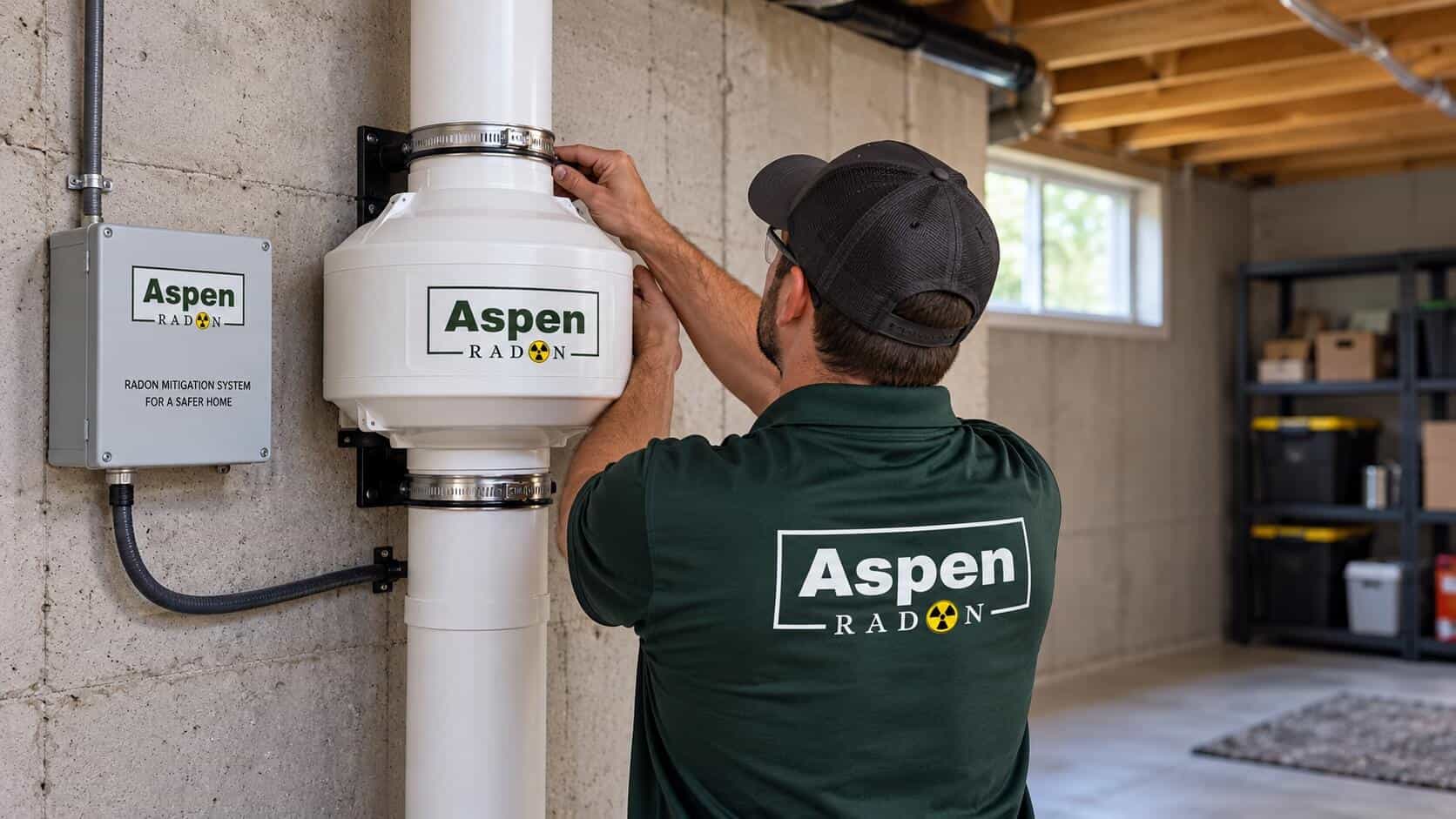
The basic process is relatively straightforward. A radon contractor creates one or more suction points beneath the home. A pipe is connected to the suction point and routed through the building or along an exterior wall. A specially designed radon fan then creates negative pressure beneath the structure.
Instead of allowing radon-laden soil gas to move through cracks and openings into the house, the system draws the gas from beneath the foundation and directs it through the vent pipe. The gas is then discharged safely outside, where it becomes diluted in the atmosphere.
The EPA describes soil suction as a method that draws radon from below a home and vents it through pipes above the house, where it is quickly diluted.
This approach is important because simply sealing visible cracks may not address the pressure differences that pull soil gas indoors.
The Main Components
A typical active system may include:
Suction point:
An opening that provides access to the soil or aggregate beneath the home.
PVC or similar vent piping:
The piping transports radon-laden soil gas from beneath the structure to the exterior.
Radon fan:
The fan creates the negative pressure needed to draw soil gas away from the home.
Manometer or warning device:
This helps homeowners or contractors determine whether the system is operating as intended.
Discharge point:
The vent terminates outdoors in a location designed to prevent radon from simply reentering the home.
The components may look simple, but proper system design and placement are important for achieving effective radon reduction.
Types of Radon Mitigation Systems
The best radon systems are not necessarily the most expensive ones. The right system is the one appropriately designed for the structure and the way radon is entering the property.
Sub Slab Depressurization
Sub slab depressurization is one of the most common approaches for homes with concrete slab foundations.
A contractor installs a suction point through the slab to reach the soil or aggregate beneath it. A fan draws soil gas through the pipe and exhausts it outdoors.
The EPA identifies active sub-slab suction, also called sub-slab depressurization, as the most common and generally reliable radon reduction method for basement and slab-on-grade homes.
Drain Tile Suction
Some homes have drain tile systems around or beneath the foundation. When conditions allow, a mitigation system can use these pathways to collect soil gas.
This can sometimes reduce the need for multiple suction points, although the suitability of the approach depends on the home’s construction.
Sump Hole Suction
A sump pit can sometimes serve as a collection point for radon mitigation.
Rather than leaving the sump opening exposed, the system can be configured to create suction and route radon laden air through a vent pipe. This can be an effective option when the sump is properly located and connected to the underlying soil.
Crawl Space Mitigation
Homes with crawl spaces require a different approach.
A common strategy involves placing a durable membrane over the exposed soil and using a ventilation or suction system beneath the membrane. This helps collect radon before it enters the living areas.
The CDC notes that a high density plastic sheet can be used over an earth floor in a crawl space, along with a vent pipe and fan to move radon from beneath the sheet outdoors.
Passive and Active Systems
Some newer homes are constructed with passive radon resistant features. These systems may include collection points and vent piping but may not initially use a powered fan.
If testing later shows elevated radon, a fan can sometimes be added to convert the passive design into an active mitigation system.
The EPA recommends considering radon resistant construction when building a new home because incorporating these features during construction can be easier and less expensive than retrofitting a property later.
Why Sealing Cracks Alone Is Usually Not Enough
If you find cracks in your foundation, it makes sense to wonder whether sealing them will solve your radon problem.
Sealing cracks and openings can be an important part of mitigation, but it generally should not be considered the complete solution by itself.
Radon can enter through multiple pathways, including construction joints, cracks in floors and walls, sump openings, gaps around pipes, and other openings in the foundation.
A mitigation system addresses the pressure beneath the home and actively redirects soil gas away from the living space.
For that reason, professional mitigation often combines sealing appropriate openings with an active soil suction strategy.
What Determines Radon Mitigation Cost?
One of the most common questions homeowners ask is, “How much does radon mitigation cost?”
There is no universal price because every home is different.
According to the EPA, the cost of a radon reduction system varies depending on factors such as the size and design of the home and the mitigation method required. The EPA also states that most homes can be fixed for approximately the same cost as other common home repairs.
Factors that may influence radon mitigation cost include:
- Foundation design
- Number of suction points required
- Basement or crawl space configuration
- Soil conditions
- Accessibility beneath the structure
- Piping requirements
- Fan selection
- Electrical requirements
- Exterior or interior pipe routing
- Additional sealing or repairs
- Complexity of the home’s construction
A professional evaluation is therefore more useful than relying on a generic national price.
How Do You Know Which System Is Right for Your Home?
Choosing among the best radon systems starts with understanding the property rather than choosing equipment based solely on price.
A qualified radon professional should consider your test results, foundation type, building layout, and potential radon entry points before recommending a solution.
Testing should come first because it establishes whether elevated radon is actually present. The CDC states that testing is the only way to determine whether radon levels are high.
Once elevated levels are confirmed, the mitigation approach can be designed around the home’s specific conditions.
This is particularly important when purchasing or selling a home. Radon testing can provide valuable information before a real estate transaction and can help identify whether mitigation should be considered.
Does a Radon Mitigation System Really Work?
Yes. Properly designed and installed radon mitigation systems can substantially reduce indoor radon concentrations.
The EPA reports that some radon reduction systems can reduce indoor radon levels by up to 99 percent.
However, the goal should not simply be to install a fan and assume the problem is solved.
Post-mitigation testing is an important part of the process. Testing helps determine whether the system has successfully reduced the home’s radon concentration.
The EPA also recommends checking the system’s warning device regularly and retesting the home at least every two years to help ensure radon levels remain low.
Maintaining Your Radon Mitigation System
A mitigation system is designed to operate continuously, so homeowners should pay attention to its condition.
Maintenance may include:
- Checking the system warning device
- Listening for unusual fan sounds
- Inspecting accessible piping
- Watching for visible damage
- Keeping the discharge area clear
- Retesting radon periodically
- Replacing the fan when necessary
According to the EPA, radon fans may last five years or longer, although their service life varies. The agency recommends regular monitoring and periodic retesting.
If the system appears to stop working, contact a qualified radon professional rather than attempting complicated repairs yourself.
Why Professional Installation Matters
Radon mitigation is more than installing a pipe and fan.
The system must be designed to create effective suction beneath the home while safely exhausting radon outdoors. An improperly designed system may not adequately reduce radon levels and could create additional problems.
The CDC recommends using a qualified professional because reducing high radon levels requires specialized technical knowledge and skills.
A professional can evaluate the property, determine the appropriate mitigation strategy, install the system, and help verify that the finished system is performing properly.
For homeowners looking for a reliable home radon solution, professional evaluation is an important first step.
Radon Mitigation Systems for Colorado Homes
Colorado homeowners should take radon testing seriously because radon can occur in homes across different regions and construction types.
A home does not need to be old, poorly sealed, or have a basement to have elevated radon. The EPA explains that any home can have a radon problem, including new and old homes, well-sealed and drafty homes, and properties with or without basements.
That means assumptions about a home’s construction should never replace testing.
Aspen Radon helps homeowners understand their radon levels and determine appropriate steps for reducing exposure. A professional approach can help identify the right mitigation strategy instead of relying on a one-size-fits-all system.
Frequently Asked Questions
How long does a radon mitigation system last?
A properly installed system can operate for many years. The fan is typically the component most likely to eventually require replacement. Regular system checks and periodic radon testing can help identify problems.
Is a radon mitigation system noisy?
Most modern radon fans are designed to operate continuously without creating excessive noise. However, fan noise can vary depending on the equipment, installation location, and building design.
Will a radon mitigation system eliminate radon completely?
The goal is to reduce radon concentrations as much as reasonably achievable. A mitigation system can substantially reduce radon, but homeowners should continue testing after installation to verify performance.
Can I install a radon mitigation system myself?
DIY solutions may be possible in some circumstances, but radon mitigation requires proper system design and specialized knowledge. Professional installation is recommended when elevated radon levels require correction.
Should I test again after installing a mitigation system?
Yes. Post-mitigation testing is important because it confirms whether the system is effectively reducing radon. The EPA also recommends retesting periodically after mitigation.
What radon level requires mitigation?
The EPA recommends fixing homes with radon levels at or above 4 pCi/L. The CDC also notes that lower radon concentrations can still pose a health risk and that reducing radon exposure can be beneficial.
Does every home need the same type of mitigation system?
No. The appropriate system depends on the foundation, soil conditions, radon entry points, building design, and test results. A professional evaluation helps determine the appropriate approach.
Find the Right Home Radon Solution With Aspen Radon
Radon does not have to be visible to become a serious concern. Because the gas is odorless and invisible, testing is the first step toward understanding the air quality inside your home.
If elevated levels are found, radon mitigation systems can provide an effective way to reduce radon exposure. From sub slab depressurization to crawl space solutions, the right approach depends on the structure and conditions of your home.
Aspen Radon can help you take the next step toward a safer home environment. Whether you need testing, mitigation guidance, or a professional evaluation, getting accurate information is the best place to start.
Trusted Government Radon Resources
For additional information about radon, homeowners can consult these U.S. government resources:
- U.S. Environmental Protection Agency: Radon
- EPA: How Much Can a Radon Mitigation System Cost?
- Centers for Disease Control and Prevention: Radon and Your Health
- CDC: Testing for Radon in Your Home
- CDC: Reducing Radon Levels in Your Home
These resources provide additional guidance on radon testing, health risks, mitigation, and reducing indoor radon exposure.