Radon Testing
When it comes to protecting your home and family from invisible environmental risks, radon testing is one of the most important steps you can take. Radon is a naturally occurring radioactive gas that can enter homes through cracks in foundations, crawl spaces, and other openings. It is colorless, odorless, and tasteless, which makes it impossible to detect without a proper radon test.
At Aspen Radon, we provide professional radon testing services designed to accurately measure radon levels in residential and commercial properties. With years of experience in mitigation and testing, our team ensures that every radon test is conducted with precision, industry-standard equipment, and a commitment to safety.
Understanding Radon and Why Testing Matters
Radon forms naturally from the breakdown of uranium in soil, rock, and water. It can seep into buildings through the foundation and accumulate to dangerous levels over time. According to health experts, long-term exposure to elevated radon levels is the second leading cause of lung cancer after smoking.
The challenge with radon is that it gives no warning signs. You cannot smell it, see it, or taste it. The only way to know if your home has unsafe levels is through professional radon testing.
This is why working with a trusted radon testing company is essential. Accurate testing ensures that you receive reliable results and can take action if necessary.
What Is a Radon Test?
A radon test is a scientific measurement of radon gas concentration inside a building. It is typically measured in picocuries per liter (pCi/L). The Environmental Protection Agency (EPA) recommends taking action if radon levels reach 4.0 pCi/L or higher.
There are two main types of radon testing:
Short-term radon test
This test usually lasts between 48 hours and 7 days. It is commonly used for quick assessments, especially during real estate transactions.
Long-term radon test
This test runs for more than 90 days and provides a more accurate picture of average radon levels throughout different seasons.
At Aspen Radon, we guide homeowners and property buyers in choosing the right radon test based on their needs and circumstances.
Professional Radon Testing Company You Can Trust
Choosing a qualified radon company is important for getting accurate and reliable results. Improper testing methods or low-quality devices can lead to inaccurate readings, which may make it harder to understand your home’s radon levels.
As a professional service provider, Aspen Radon uses appropriate testing equipment and follows established testing protocols to support accurate results. Our radon professionals are trained to identify factors that may affect test results, such as ventilation, weather conditions, and home layout.
We don’t just conduct a radon test—we help you understand what the results mean and what steps to consider next if elevated levels are detected.
Our Radon Testing Process
Our radon testing process is designed to be simple, efficient, and highly accurate, ensuring homeowners and property owners receive reliable results without confusion or unnecessary delays. Every step is carefully planned to follow industry standards and EPA guidelines so that the data collected reflects true indoor radon conditions.
01
Step 1: Initial consultation
We begin by understanding your property type, location, and specific concerns regarding radon exposure. This consultation allows us to determine the most appropriate testing method based on your home’s structure, occupancy, and risk factors. Whether it’s a single-family home, a newly built property, or a real estate transaction, this step ensures the radon testing approach is tailored to your situation.
02
Step 2: Test setup
Our trained technicians strategically place professional-grade radon testing devices in the lowest livable area of the property, typically a basement or first floor, following EPA-recommended placement standards. Proper setup is critical because incorrect placement can affect accuracy, so we take extra care to ensure the device is positioned in an optimal location away from drafts, high heat, or moisture sources.
03
Step 3: Monitoring period
Once the device is in place, the radon test runs for the required duration, depending on whether a short-term or long-term test is selected. During this time, we instruct homeowners to maintain closed-house conditions by keeping windows and exterior doors shut as much as possible. This helps ensure the radon levels measured reflect typical indoor conditions without outside interference.
04
Step 4: Lab analysis
After the testing period is complete, we retrieve the device and send it to a qualified laboratory for professional analysis. The laboratory uses specialized equipment to measure radon concentration levels and provide accurate testing results based on established laboratory procedures.
05
Step 5: Results and recommendations
Once analysis is complete, we provide a clear and easy-to-understand report explaining your radon levels and what they mean for your home. If elevated levels are detected, we also offer expert recommendations for mitigation options to reduce radon exposure and improve indoor air safety.
This structured approach ensures every radon testing project is handled with care, precision, and a strong focus on delivering accurate results that homeowners can trust.
Why Professional Radon Testing Is Important
Many homeowners underestimate the importance of professional radon testing and rely on DIY kits or guesswork. However, radon levels can vary significantly even between neighboring homes, making professional testing essential.
Here’s why hiring a trusted radon testing company matters:
Without professional oversight, a radon test may produce misleading results, potentially putting your health at risk.
When Should You Get a Radon Test?
You should consider radon testing in the following situations:
Even if your neighboring homes have low radon levels, your property may still have elevated readings. That is why routine radon testing is strongly recommended.
Health Risks of Radon Exposure
Long-term exposure to radon gas can lead to serious health issues. When inhaled, radon particles can damage lung tissue over time, increasing the risk of lung cancer.
The risk is even higher for smokers or individuals with pre-existing respiratory conditions. This makes early detection through a radon test extremely important for maintaining a safe indoor environment.
By working with a professional radon testing company like Aspen Radon, you can take proactive steps to protect your health and reduce long-term risks.
What Happens If Radon Levels Are High?
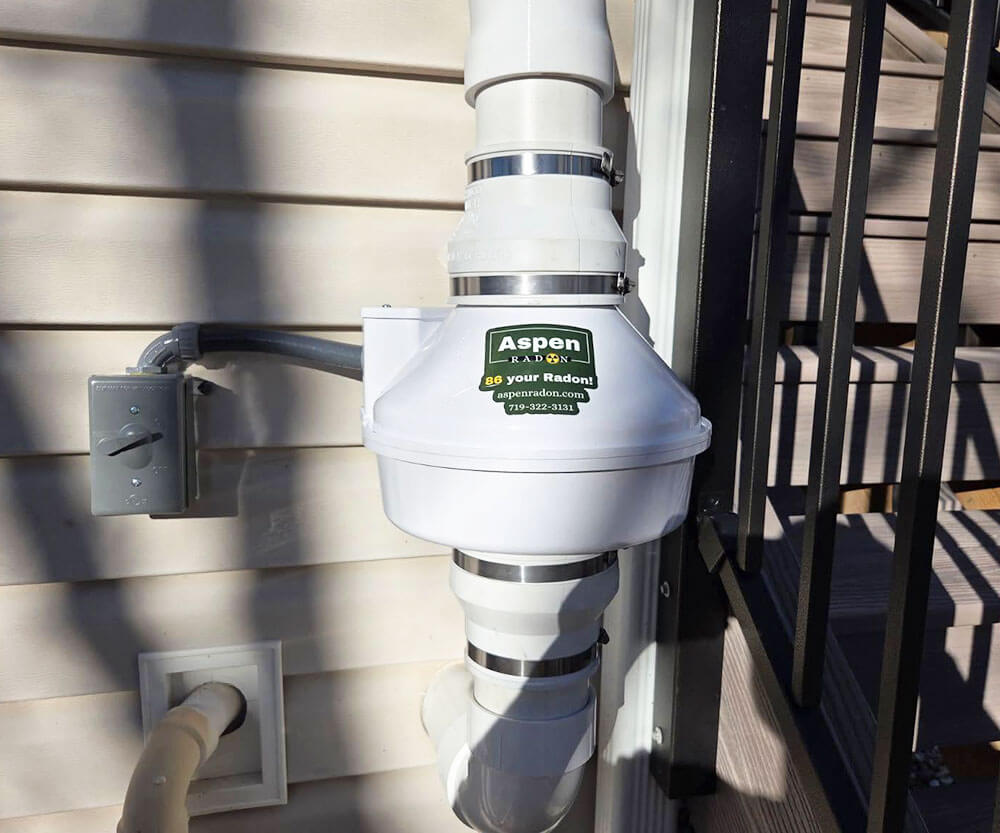
If your radon test results show elevated levels, there is no need to panic. Radon issues are very common and can be effectively managed through mitigation systems.
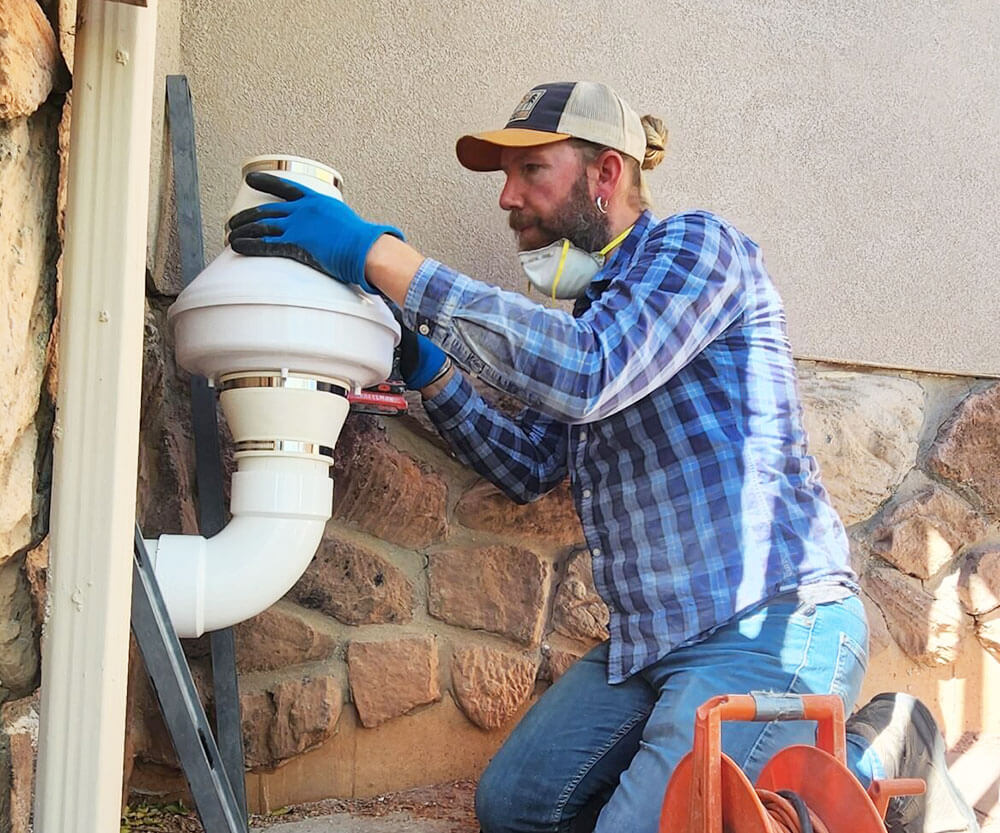
Radon mitigation typically involves:
Aspen Radon also provides expert radon mitigation services to ensure your home is brought back to safe radon levels efficiently.
Benefits of Choosing Aspen Radon
Working with Aspen Radon gives you access to experienced professionals who prioritize safety and accuracy. Our clients choose us because we offer:
We are committed to delivering dependable radon testing services that help homeowners make informed decisions about their indoor air quality.
Frequently Asked Questions About Radon Testing
A radon test can vary in duration depending on the type of test used. A standard short-term radon test typically takes between 48 hours and 7 days and is often used for quick evaluations, such as during home purchases or initial screenings. For a more accurate and reliable picture of a home’s average radon levels, a long-term radon test is recommended, which usually lasts 90 days or more. This extended testing period helps account for natural fluctuations in radon levels caused by changes in weather, ventilation, and seasonal conditions, giving homeowners a clearer understanding of long-term exposure risks.
Yes, radon testing is necessary for every home because radon gas can be present in any property regardless of age, location, or construction type. Radon is naturally released from soil and rock and can enter homes through foundation cracks, crawl spaces, sump pits, and other small openings. Even homes next to each other can have very different radon levels due to variations in soil composition and structural design. Since radon cannot be detected through smell, sight, or taste, the only way to know if a home has elevated levels is through a professional radon test conducted by a qualified radon testing company.
It is recommended to conduct radon testing every 2 to 5 years as part of regular home maintenance to ensure continued indoor air safety. However, testing should also be done sooner if there have been any major changes to the home, such as renovations, foundation repairs, or updates to ventilation systems, as these can affect how radon enters or moves through the building. Regular testing is important because radon levels can change over time, and periodic checks help ensure that your home remains safe for long-term occupancy.
Yes, you can do a radon test yourself using DIY test kits that are widely available and relatively easy to use. These kits can provide a basic indication of radon levels in your home, but their accuracy depends heavily on correct placement and strict adherence to testing instructions, such as maintaining closed-house conditions. However, professional radon testing performed by an experienced radon testing company is generally more reliable because it follows EPA-approved procedures, uses calibrated equipment, and ensures proper test setup in the lowest livable area of the home, resulting in more accurate and trustworthy results.
The Environmental Protection Agency (EPA) recommends taking action if radon levels reach 4.0 picocuries per liter (pCi/L) or higher, as this is considered the threshold where long-term health risks significantly increase. However, there is actually no completely “safe” level of radon exposure, since even low levels can still pose some risk over time with prolonged exposure. The goal of radon testing is not only to meet the EPA guideline but also to reduce radon levels as much as possible to create a healthier indoor environment, especially for families who spend most of their time at home.
Take Control of Your Home’s Radon Safety
Radon is a serious but preventable health risk, and the first step toward protecting your home is a professional radon test. Whether you are buying a home, selling a property, or simply ensuring your family’s safety, accurate radon testing is essential.
As a trusted radon testing company, Aspen Radon is here to provide reliable testing services backed by experience and industry standards. We make the process simple, transparent, and effective so you can have peace of mind about your indoor air quality.